Injection molding in China for European buyers
Sourcing injection molded components from China offers significant tooling savings and agile batch capacity, but requires disciplined technical oversight. For European procurement teams, establishing clear tooling ownership contracts, structured inspection gates, predictable shipping schedules, and verified EU regulatory compliance documents makes overseas production dependable and commercially advantageous.
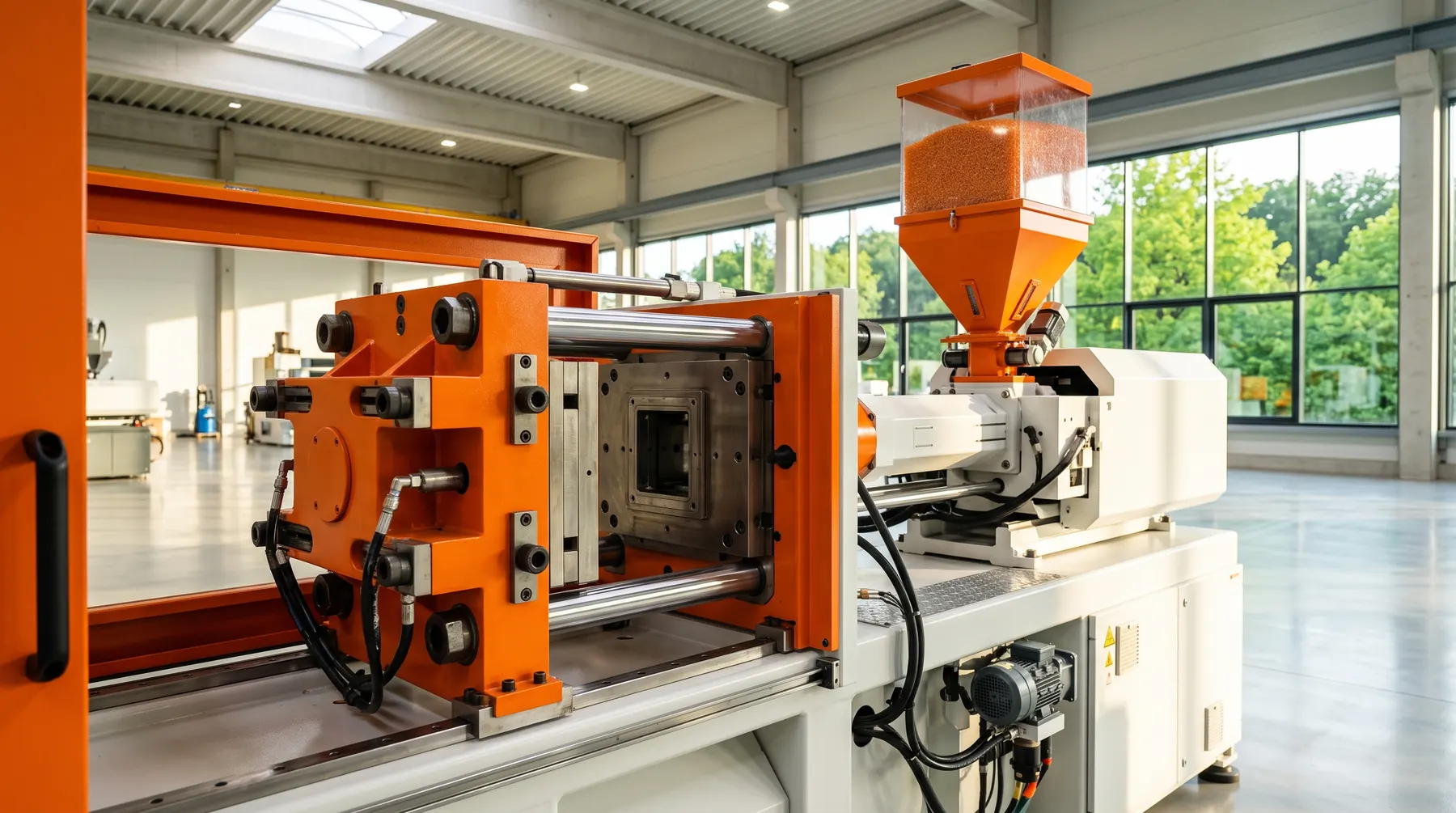
When overseas tooling and production makes commercial sense
Procuring injection molded components from an overseas factory delivers clear economic advantages when part geometry requires custom tooling and initial batch volumes range from hundreds to tens of thousands of parts. Tooling fabrication in Ninghai typically costs between forty and sixty percent less than comparable domestic European tooling, lowering capital barriers for new product introductions and component updates.
Sourcing from China is ideal when production lead times accommodate ocean transit schedules, when components benefit from combined metal stamping or rubber overmolding under one roof, and when technical specifications are documented thoroughly in 3D CAD models and 2D engineering drawings. Sourcing is less appropriate when weekly order volumes fluctuate wildly or when immediate next day delivery is an operational requirement.
Procurement comparison: Ninghai direct factory vs domestic European production
| Project variable | Ninghai factory with EU desk | Domestic European molder |
|---|---|---|
| Tooling investment | Substantially lower tooling cost, simple molds cut in house | Higher initial capital expenditure for mold bases and inserts |
| Unit part cost | Competitive on small and medium runs with manual attention | Competitive primarily on automated high tonnage long runs |
| Mold building timeline | Three to six weeks depending on cavity complexity | Six to twelve weeks depending on toolroom capacity |
| Freight transit | Five to seven weeks via direct ocean container shipping | One to three business days by regional road freight |
| Engineering coordination | Direct English and Italian support via Cagliari liaison desk | Local language support during regional office hours |
| Regulatory documentation | Material test reports, RoHS and REACH statements provided | Standard domestic European compliance declarations |
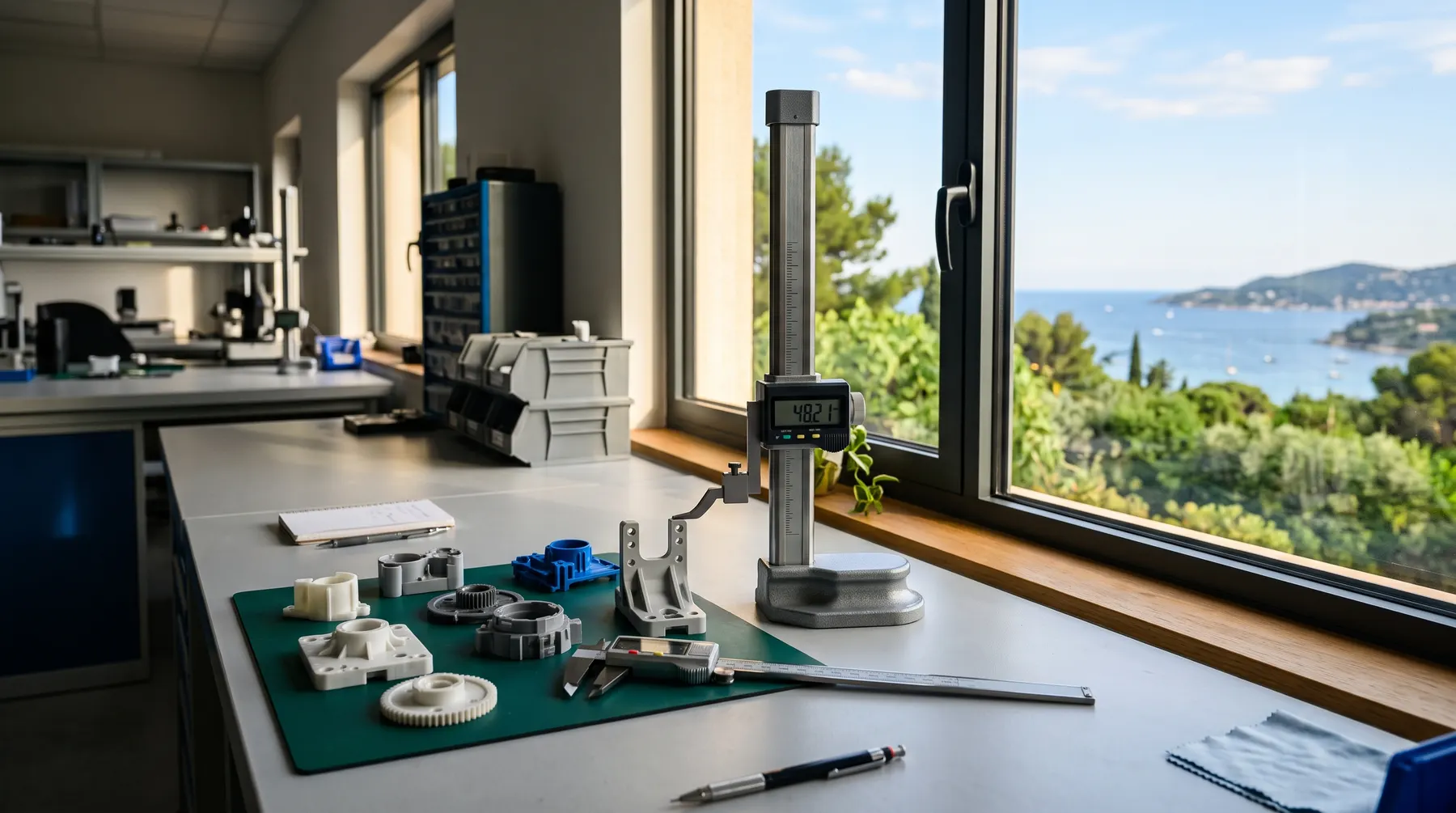
Quality gates from initial drawing review to export departure
Predictable overseas production depends on verified quality milestones. Every project begins with a design for manufacturing review that examines draft angles, wall thickness consistency, gate positions, and potential sink marks before steel cutting begins.
Once the mold is assembled, our technicians run initial T1 trial shots. These first samples undergo rigorous coordinate measuring machine inspection against customer prints. Samples are delivered directly to European engineering teams for physical fit testing, assembly verification, and written sign off before full production commences.
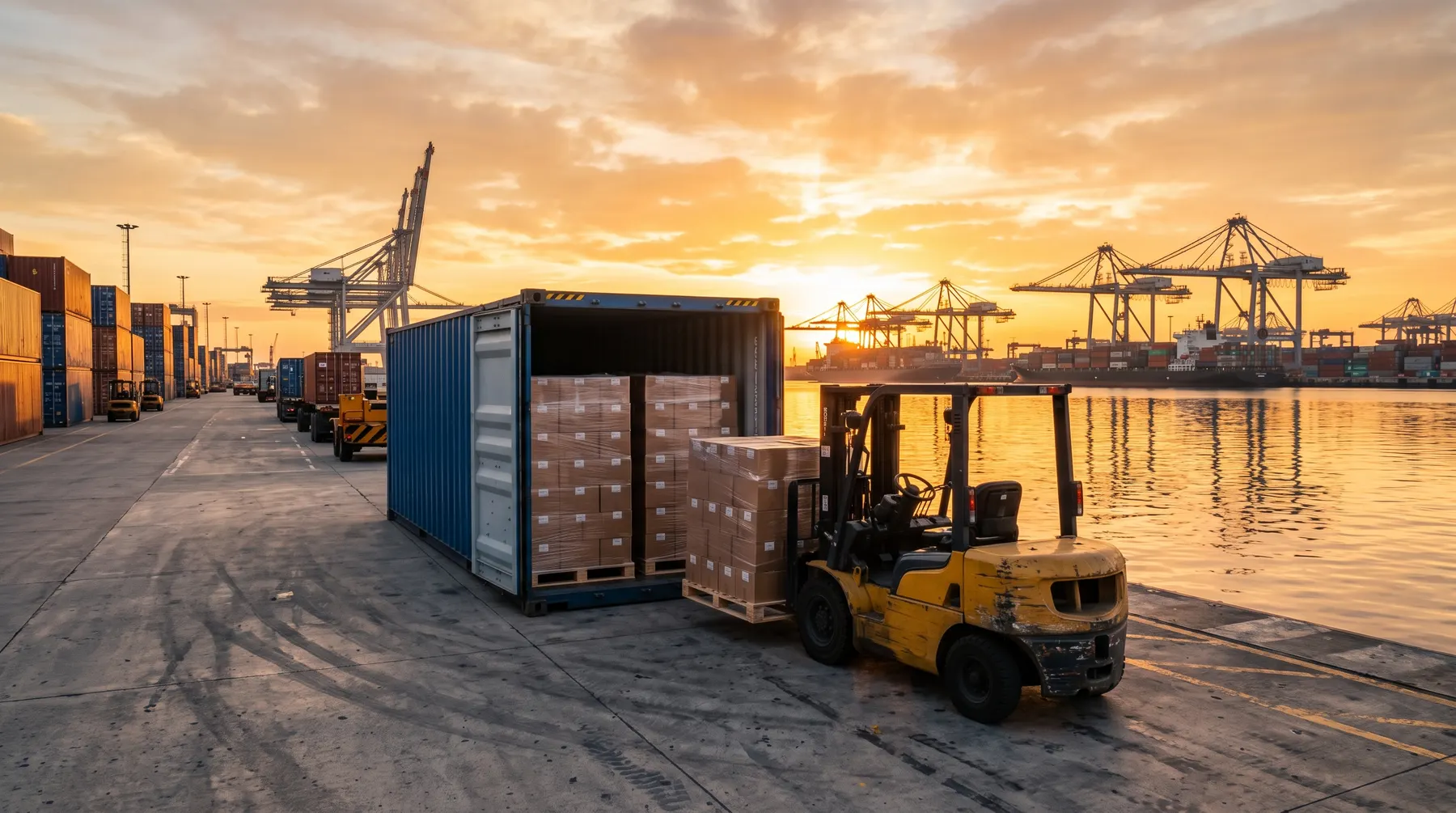
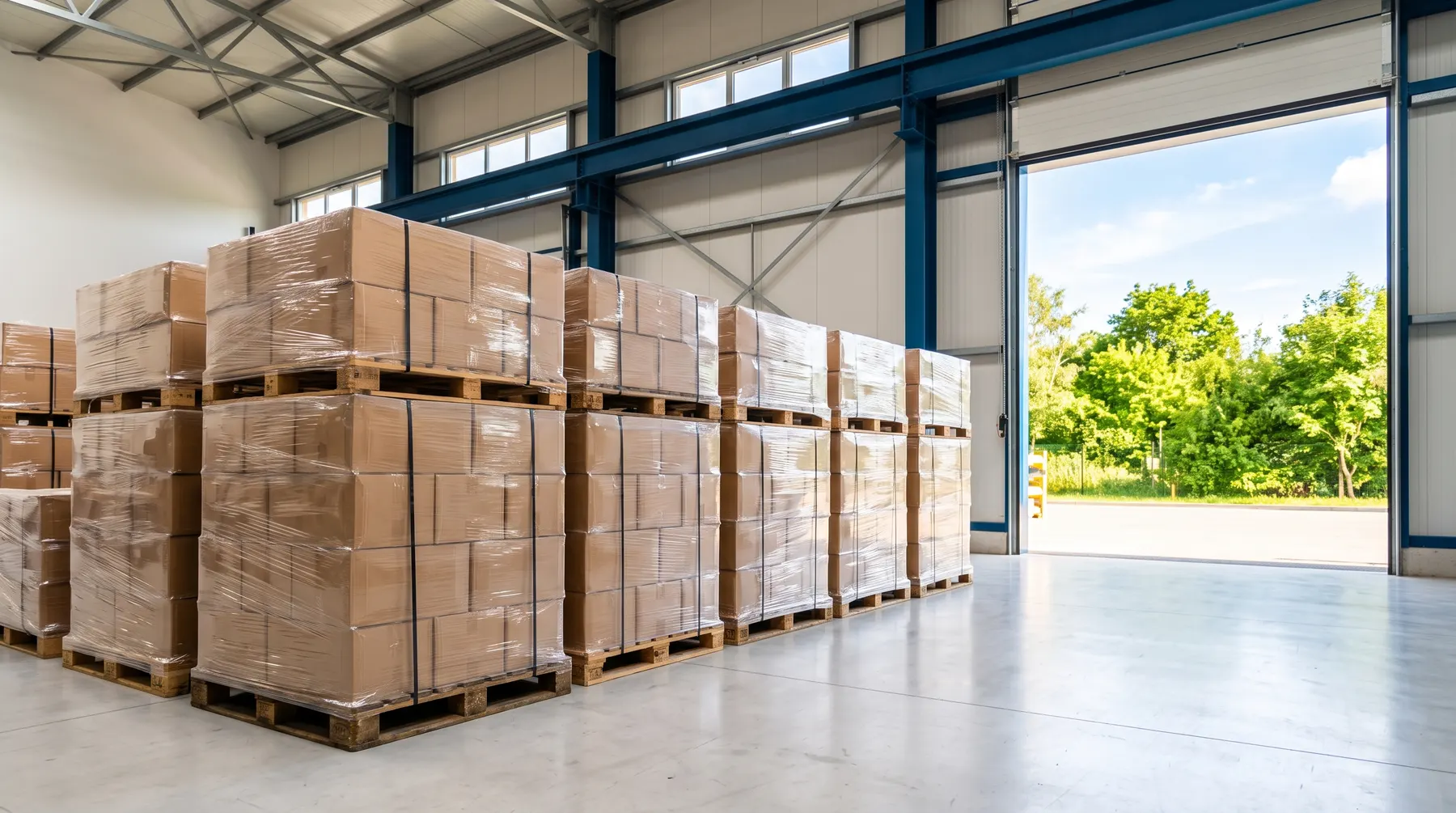
During batch production, operators conduct periodic dimension checks and surface evaluations. Every finished consignment is packed into reinforced export cartons with moisture protection, ready for customs inspection and international container transport.
Tooling ownership terms and intellectual property protection
A primary concern for European buyers is mold ownership security. In our facility, tooling ownership remains strictly with the customer once tooling invoices are paid in full. We provide complete mold specification sheets detailing steel grades, mold base dimensions, and maintenance histories.
Molds are maintained, lubricated, and stored securely in dedicated mold racks between production runs. Customers retain the legal right to inspect, audit, or relocate their tooling at any time upon settlement of outstanding production balances. Non disclosure agreements are signed routinely before reviewing proprietary CAD files.
European coordination desk in Cagliari
Managing manufacturing communication across time zones can introduce friction. To solve this, technical inquiries, quotation requests, and drawing clarifications for European buyers are handled directly through Isurus Works Studio in Cagliari, Italy.
Our European liaison team reviews STEP models, clarifies tolerance expectations in Central European Time, and aligns commercial terms, allowing engineering teams in Italy, Germany, France, and Spain to interact with our factory smoothly and effectively.
Recommended technical pages
Related manufacturing processes and guides
Explore engineering documentation, process limits, and material guidelines.
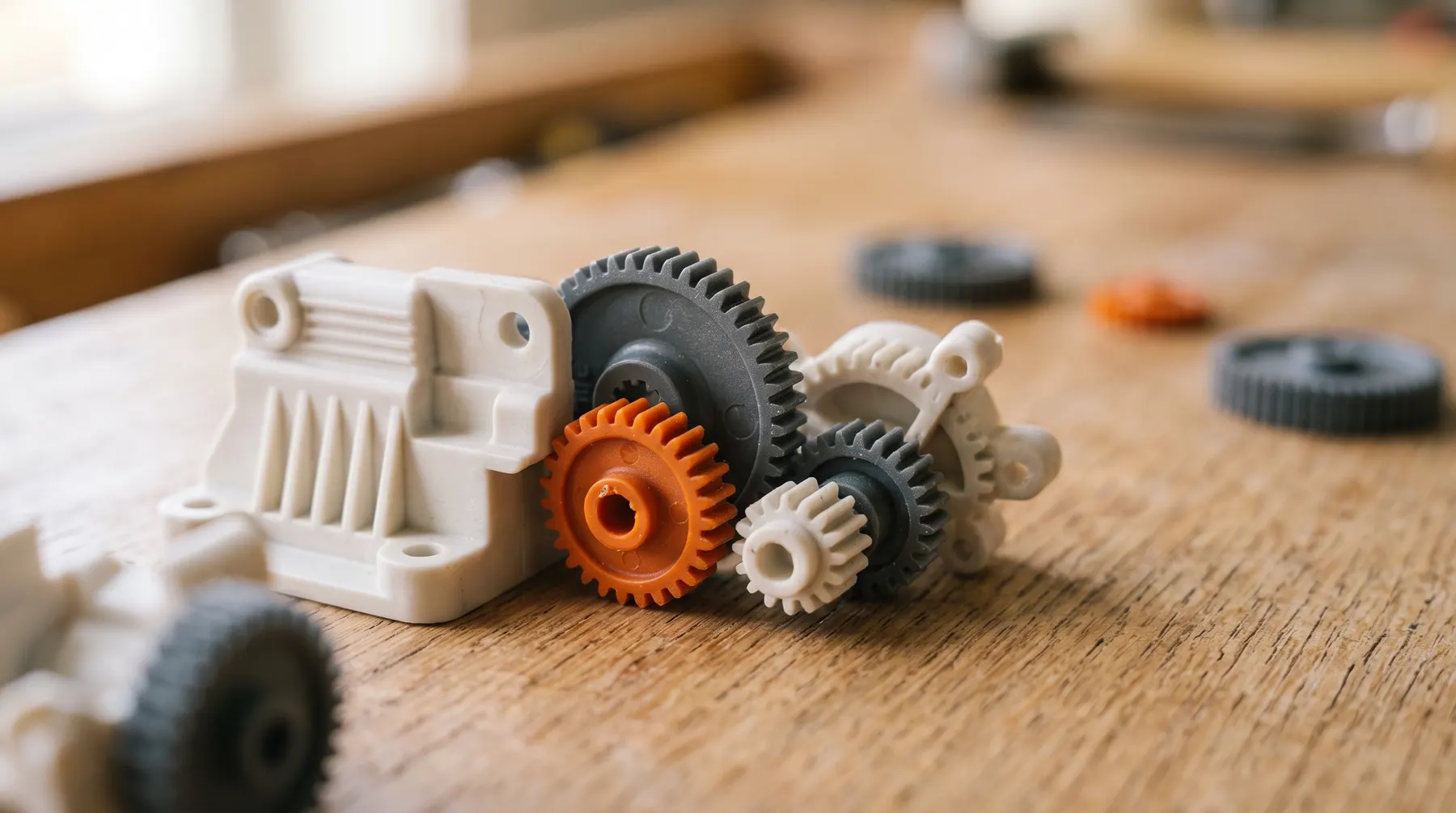
Small-batch injection molding
Single-cavity tooling, material selection, and cost structures for low volume production.
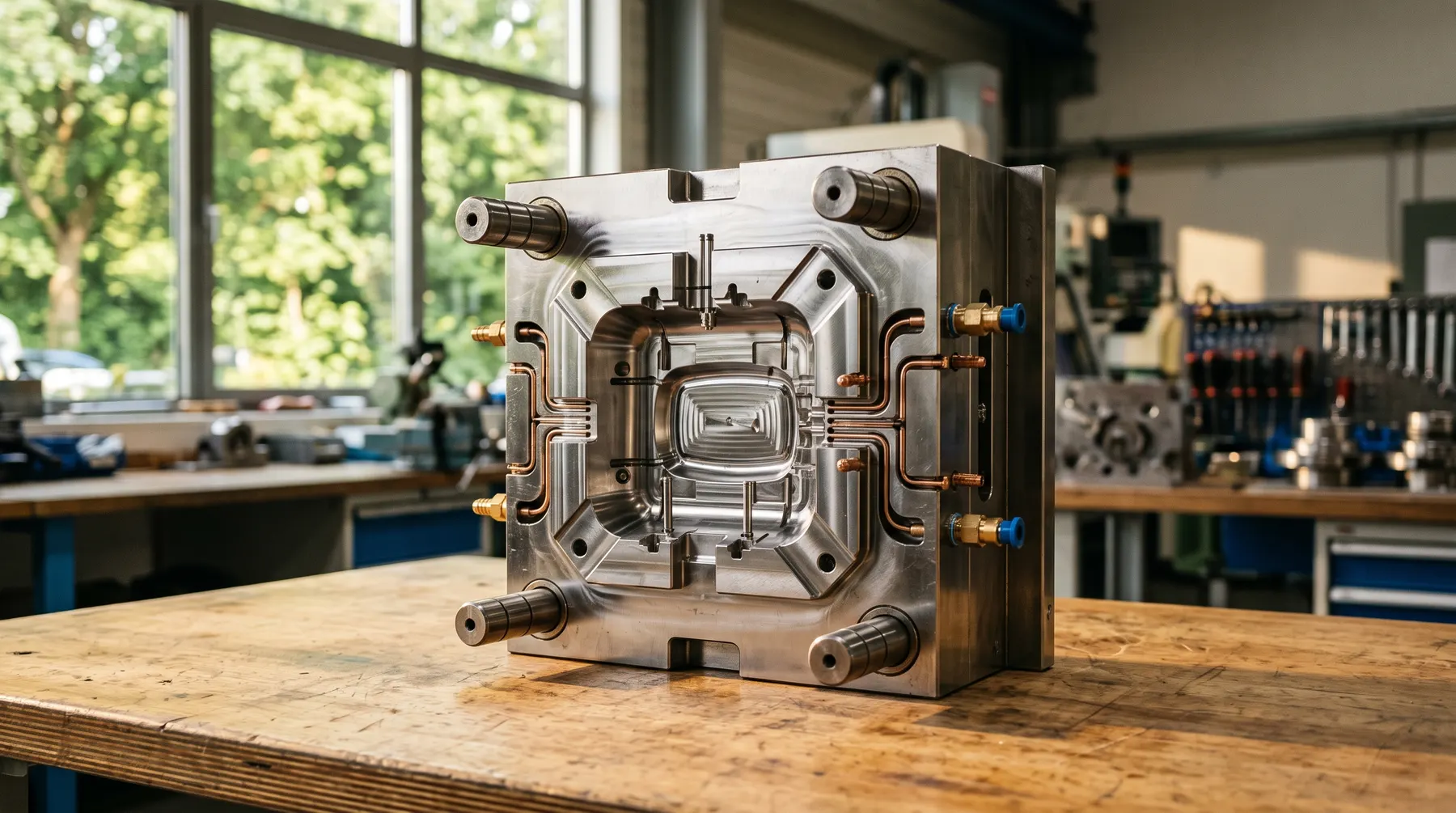
In-house mold making
Design for manufacturing reviews, mold steels, precision machining, and sample validation.
Import compliance guide
REACH, RoHS, GPSR, Incoterms, and customs rules for importing plastic parts into the EU.
Frequently asked questions
Direct technical answers on processes, tooling, standards and commercial terms.
Is injection molding in China cheaper than in Europe?
Tooling fabrication and unit costs are often substantially lower, but total landed cost includes international sea freight, import duty, customs handling, and local inventory holding. Project evaluations should always compare total landed cost rather than initial piece quotes.
What compliance documents can I request with my order?
You can request raw material datasheets, RoHS certificates of compliance, REACH chemical declarations regarding substances of very high concern, first article inspection reports, and completed mold data sheets.
How long does shipping take from Ningbo to European ports?
Direct sea freight to northern European ports such as Rotterdam or Mediterranean ports such as Genoa typically requires thirty five to fifty three days under current routing conditions. Express air freight is available for critical pre production samples.
Who carries legal responsibility for CE and GPSR compliance in Europe?
Under European Union law, the economic operator or importer placing a finished product onto the EU market bears legal responsibility for CE and GPSR conformity. Our factory supplies technical test reports, material declarations, and traceability data to support that technical file.
Can your factory run production using an existing customer mold?
Transferring an existing mold depends on mold base standard dimensions, press clamping compatibility, ejection rod patterns, and overall tool condition. Our engineering team requires mold drawings and photographs before confirming compatibility.
Review your parts for China manufacturing
Send STEP CAD models and 2D prints. We check tooling feasibility, calculate mold investment, and specify production lead times.