Small-batch custom injection molding without a long commitment
Small-batch injection molding provides production-grade thermoplastic parts for pilot runs, niche equipment, and market validation without requiring five-figure production commitments. By engineering simplified single-cavity or modular tooling in our Ninghai workshop, European buyers secure genuine molded parts with true mechanical properties, tight tolerances, and predictable unit costs across order quantities from five hundred pieces upward.
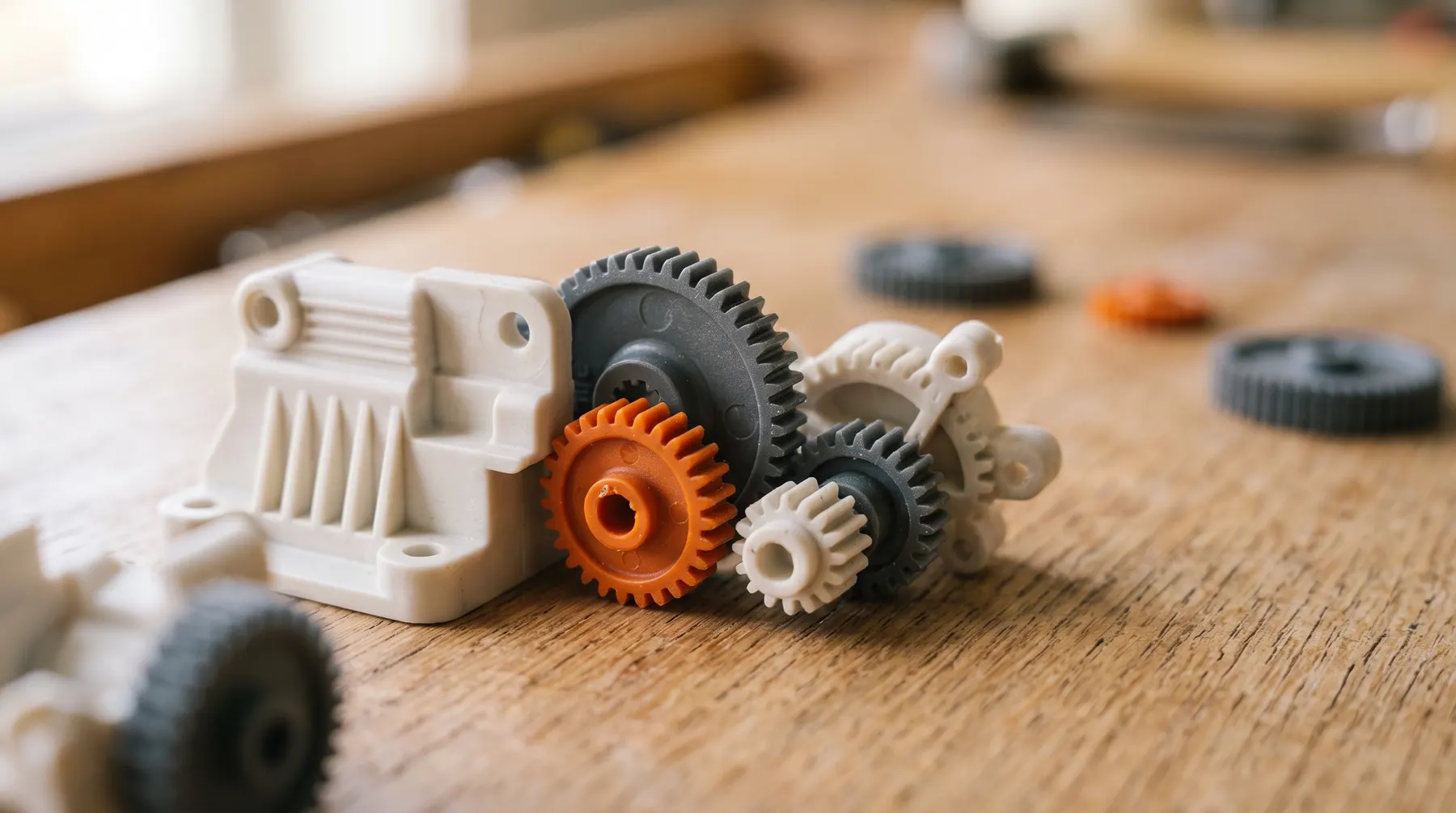
Understanding small batch manufacturing economics
In conventional high-volume injection molding, heavy multi-cavity hardened steel molds require massive upfront capital that only amortizes across hundreds of thousands of parts. For many specialized European products, total annual demand ranges between one thousand and ten thousand units, making high-cavity tooling economically impractical.
Small batch injection molding solves this challenge. We design simplified mold layouts with single or double cavities, standardized mold bases, and manual or semi-automated inserts where appropriate. This approach minimizes initial tooling expenses while producing components that match full-scale production in tensile strength, thermal resistance, and cosmetic finish.
Process comparison: Small batch molding vs CNC machining vs 3D printing
| Evaluation metric | Small-batch injection molding | CNC plastic machining | Industrial 3D printing |
|---|---|---|---|
| Per-unit cost at 1,000 pcs | Low unit price once tooling is built | High unit price driven by cycle time | High unit price driven by material cost |
| Initial tooling investment | Moderate, simplified single cavity mold | Zero tooling expense | Zero tooling expense |
| Material selection | Full range of commercial thermoplastic resins | Restricted to machinable plastic stock | Restricted to printable filaments or resins |
| Production cycle time | Twenty to forty seconds per shot | Ten to forty minutes per component | Hours per build platform |
| Surface finish quality | Uniform textured or polished molded surface | Machining cutter paths and marks visible | Layer lines visible, secondary smoothing needed |
| Structural isotropy | Uniform molecular strength throughout part | High strength along isotropic stock | Anisotropic strength weaker along Z-axis |
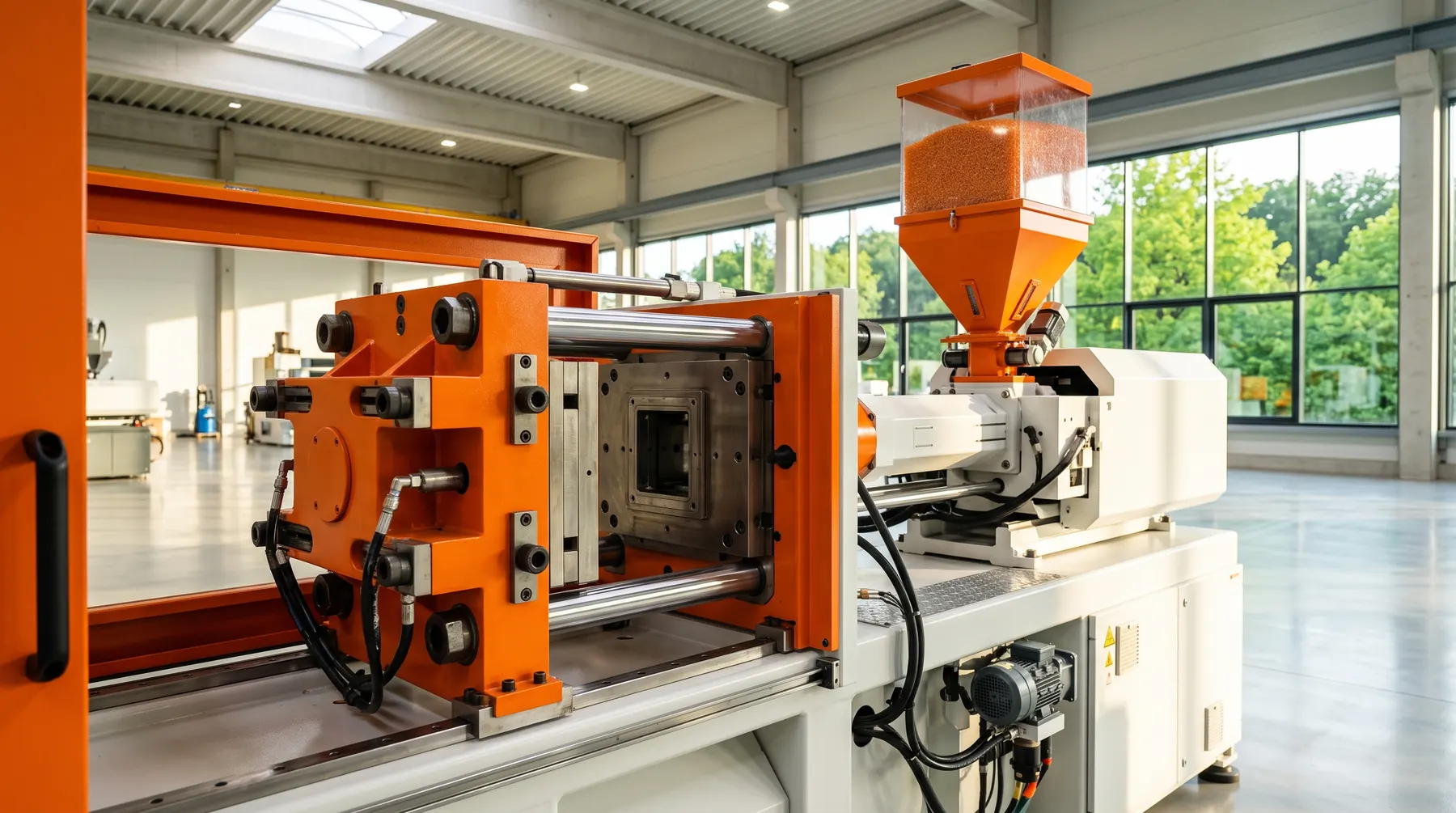
Tooling strategies that reduce low-volume tooling costs
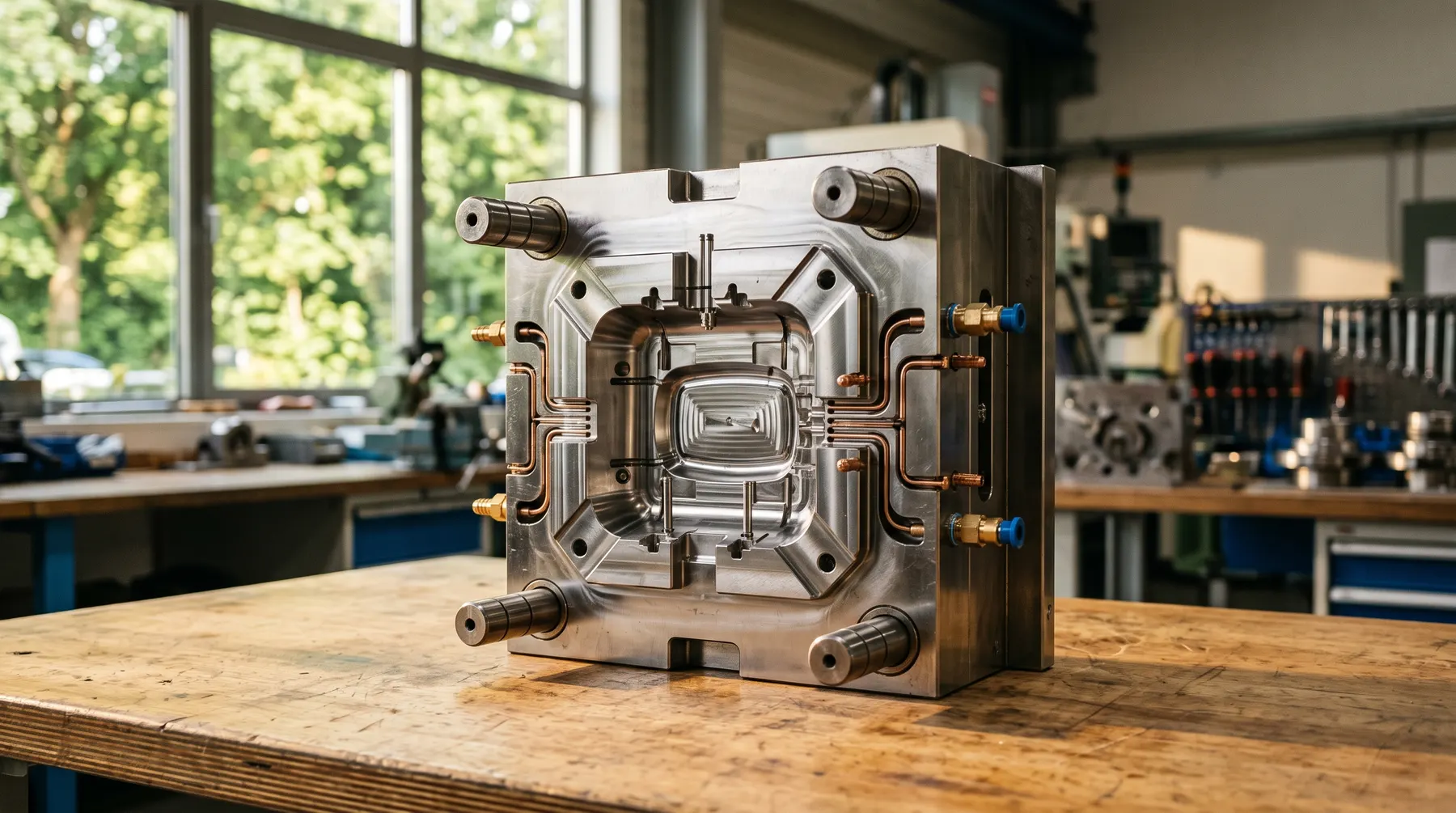
Controlling initial mold expenditure requires pragmatic tooling engineering. By utilizing master mold frames, our toolmakers only need to machine cavity and core inserts for your specific geometry, eliminating the cost of dedicated mold bases.
For small production volumes, pre-hardened steels such as P20 or 718H deliver excellent surface finish and dimensional stability for tens of thousands of cycles without requiring expensive post-machining hardening heat treatments.
Where part geometry permits, keeping parting lines planar and avoiding complicated side actions further streamlines machining hours, reducing both tooling costs and initial lead time.
Component design recommendations for economical small runs
Optimizing component geometry for small batch production creates direct cost savings. Maintaining uniform wall thickness between 1.5 mm and 3.5 mm prevents sink marks and warpage, while allowing faster machine cooling cycles.
Incorporating draft angles of at least one degree on internal and external vertical faces enables clean part ejection without damaging cosmetic surfaces. Radius transitions on all internal corners reduce stress concentrations and simplify CNC cutter paths during mold milling.
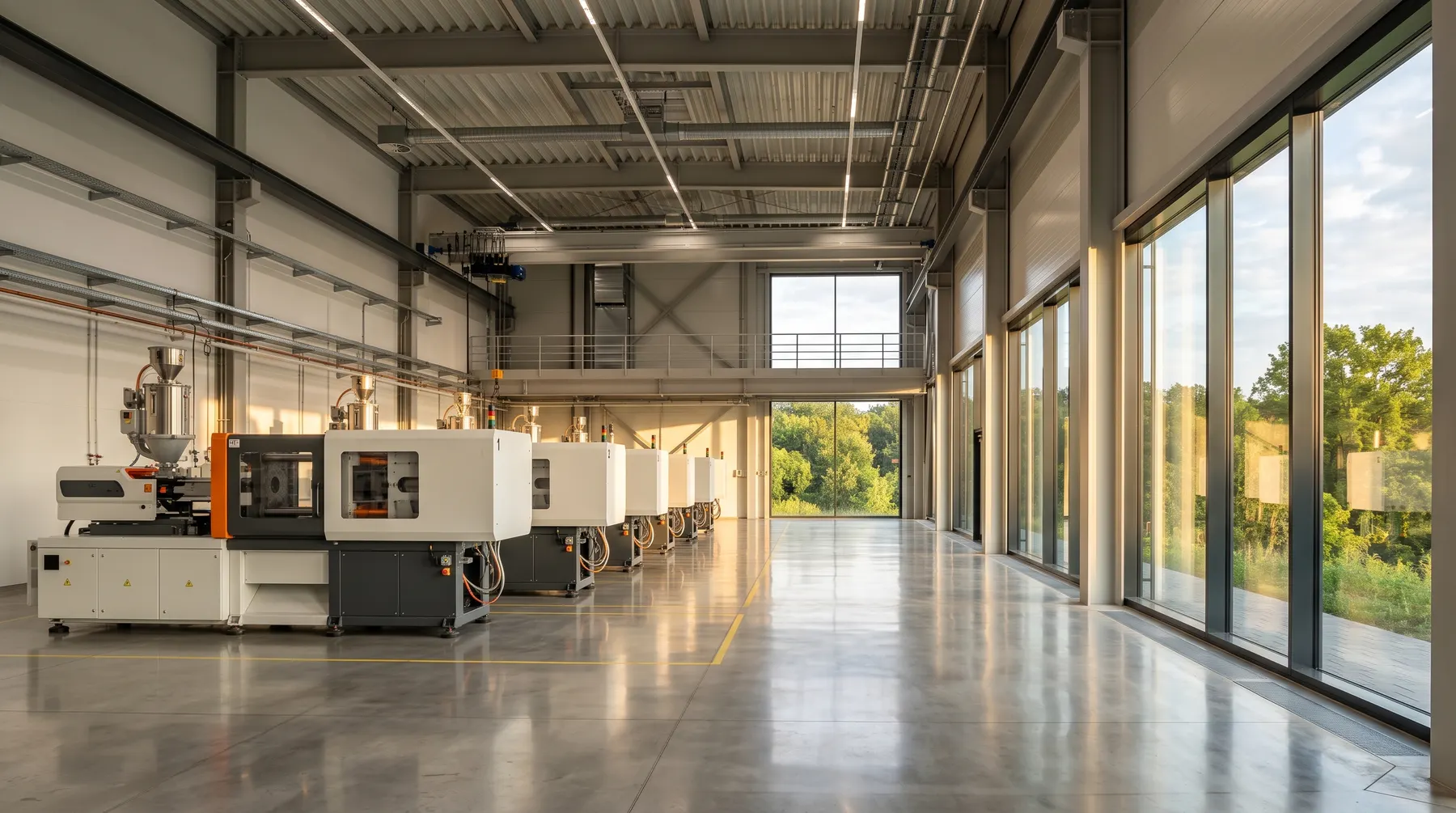
Flexible raw material handling and customer supplied resins
Our facility processes standard engineering thermoplastics including ABS, polypropylene, polycarbonate, polyamide, and polyoxymethylene. When specific color matching, flame retardancy ratings, or food contact certifications are required, we work with qualified resin compounds.
We also support projects utilizing customer supplied material. European clients with proprietary resin formulations or strict regional supply chain mandates can deliver certified plastic pellets directly to our Ninghai facility for scheduled production runs.
Recommended technical pages
Related manufacturing processes and guides
Explore engineering documentation, process limits, and material guidelines.
Injection molding in China
Complete procurement guide for European engineering teams sourcing tooling and parts.
Mold cost and lead times
Detailed breakdown of tooling variables, steel selections, and delivery schedules.

Materials guide
Selecting ABS, PC, PA, PP, POM, and TPE resins with European compliance notes.
Frequently asked questions
Direct technical answers on processes, tooling, standards and commercial terms.
What is considered a small batch in injection molding?
A small batch generally refers to production runs where mold fabrication costs represent a noticeable proportion of the total initial budget, typically ranging from five hundred to ten thousand parts per run.
Why does an injection molding factory require a minimum order quantity?
Setting up a press involves mounting heavy molds, heating barrels, purging old material, adjusting cycle parameters, and inspecting initial trial shots. Because these fixed setup steps take several hours, minimum quantities ensure economical press operation.
Should I choose an aluminium mold or a steel mold for small batches?
Aluminium molds offer fast heat dissipation and easier milling for prototypes, while pre-hardened steel molds such as P20 deliver superior wear resistance, handle abrasive or glass-filled resins, and allow easy mold modifications if dimensions evolve.
Can I start with a sample run before committing to volume production?
Yes. Once mold fabrication finishes, we produce initial T1 trial samples accompanied by dimensional inspection data. You evaluate and approve these physical samples before volume production starts.
What technical files are required to evaluate a quote?
We require a 3D CAD model in STEP or IGES format, a 2D PDF drawing detailing critical tolerances and threaded features, specified resin type, target cosmetic finish, and estimated initial order quantities.
Plan your low volume molding project
Send STEP CAD models and annual volume forecasts. We evaluate mold complexity, cavity layout, and initial trial scheduling.