Overmolding: rubber, TPE and insert molding
Overmolding permanently encapsulates a rigid plastic substrate or stamped metal insert within a secondary layer of thermoplastic elastomer or vulcanized rubber. The process produces unified components that combine rigid structural strength with flexible grip, impact cushioning, and water-tight environmental sealing, eliminating separate secondary mechanical fasteners and assembly operations.
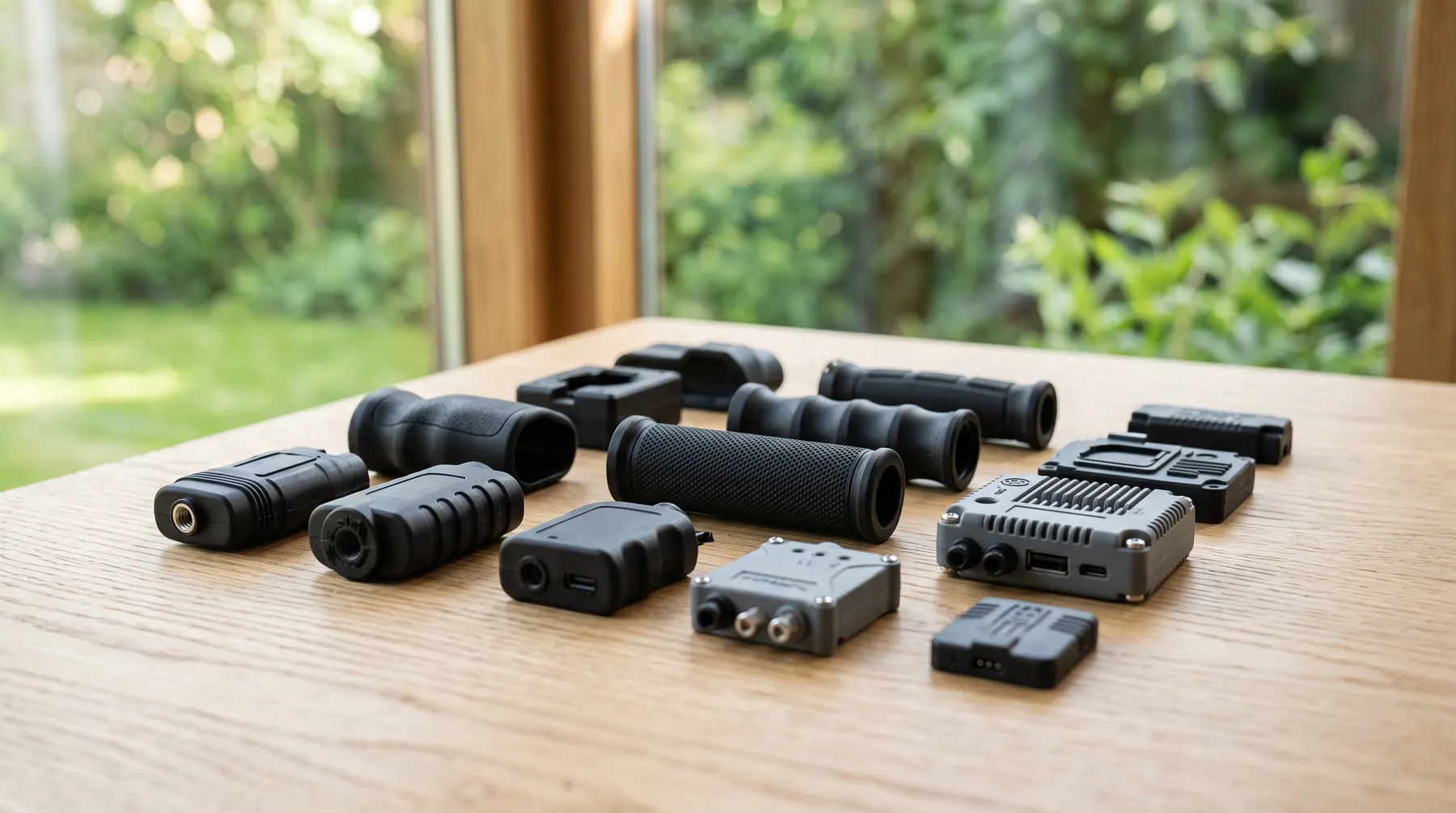
Technical fundamentals of multi-material component bonding
Modern industrial products frequently require both structural stiffness and compliant touch surfaces. Traditional methods rely on separate gaskets, adhesive bonding, or mechanical screws, all of which introduce assembly labor, alignment tolerances, and potential leak paths.
Overmolding resolves these challenges by injecting a softer elastomer directly over or around a rigid pre-formed core. Under correct processing temperatures and melt pressures, compatible polymer chains fuse chemically along the interface boundary. For dissimilar materials, mechanical interlocks such as through-holes, undercut grooves, and dovetail channels ensure permanent physical retention.
Manufacturing comparison: Overmolding and insert molding methods
| Process approach | Tooling setup | Bonding mechanism | Typical cycle speed | Best suited applications |
|---|---|---|---|---|
| Two-step transfer overmolding | Two separate molds: substrate tool and overmold tool | Thermal chemical fusion plus mechanical locks | Moderate, manual transfer between presses | Small to medium batches, specialized elastomers |
| Metal insert overmolding | Single mold with precision insert location nests | Mechanical encapsulation around ribs and knurling | Fast, pre-stamped insert placed in cavity | Threaded bushings, electrical pins, structural brackets |
| Rubber compression overmolding | Heated compression or transfer tool | Vulcanization bonding with chemical primer | Longer cure time for vulcanization | Heavy duty seals, oil resistant industrial boots |
| Two-shot rotary molding | Complex multi-station mold on two-barrel machine | Direct chemical fusion on fresh substrate | Fast, automated continuous production | High volume automotive and consumer components |
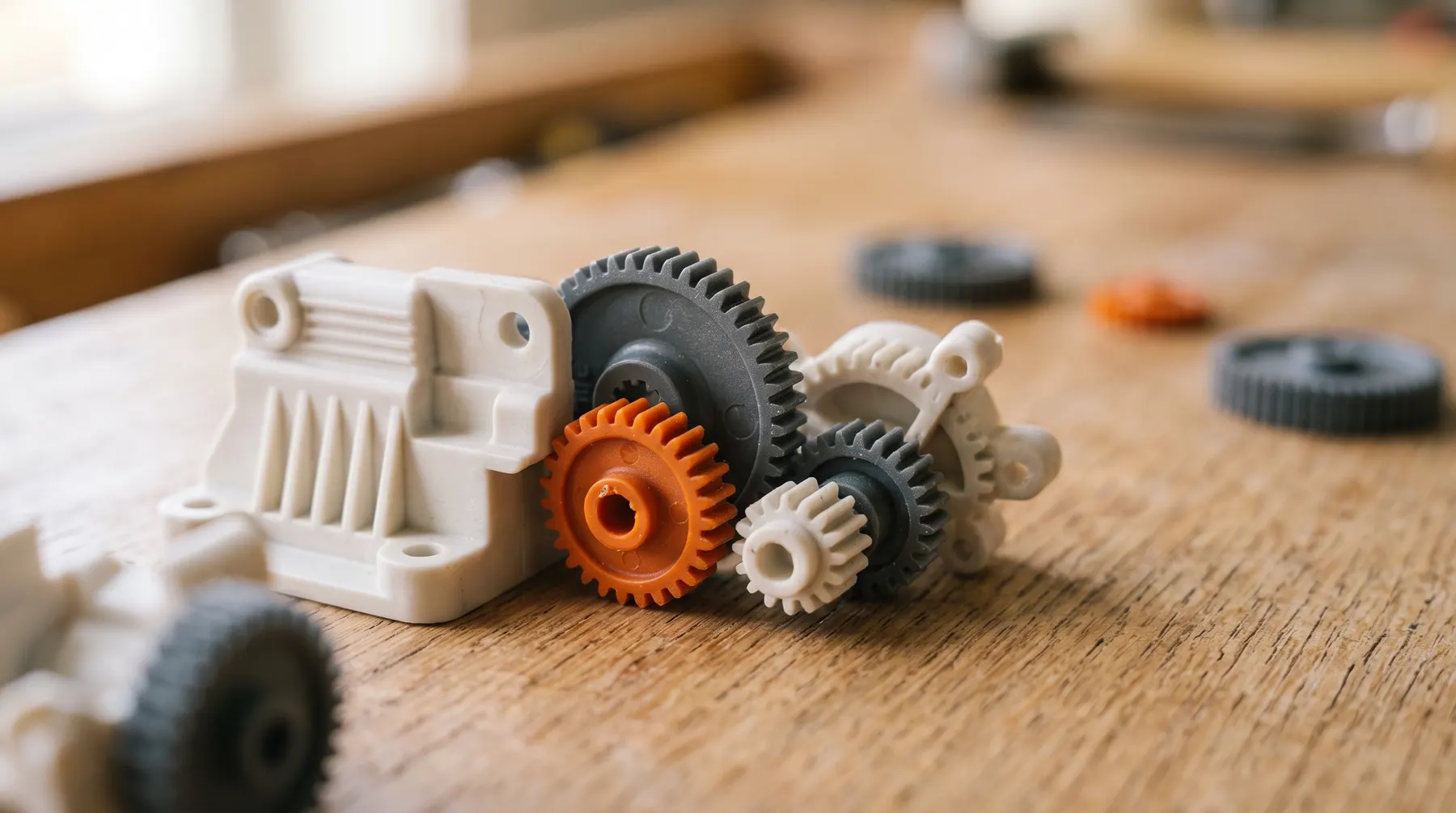
Material compatibility and interfacial adhesion mechanisms
Achieving dependable adhesion requires matching compatible resin pairings. Thermoplastic elastomers based on styrenic block copolymers adhere effectively to polypropylene substrates through thermal melting.
Thermoplastic polyurethane grades create strong bonds with polar substrates such as polycarbonate, ABS, and polyamide. When overmolding onto stamped brass, aluminium, or stainless steel inserts, mechanical retention features such as knurled outer diameters, retention grooves, and perimeter undercuts are engineered into the metal insert.
Our engineering team reviews resin datasheets and can conduct peel tests on initial samples to verify that bonding strength meets end-use mechanical durability standards.
Tooling design rules and parting line shut-offs
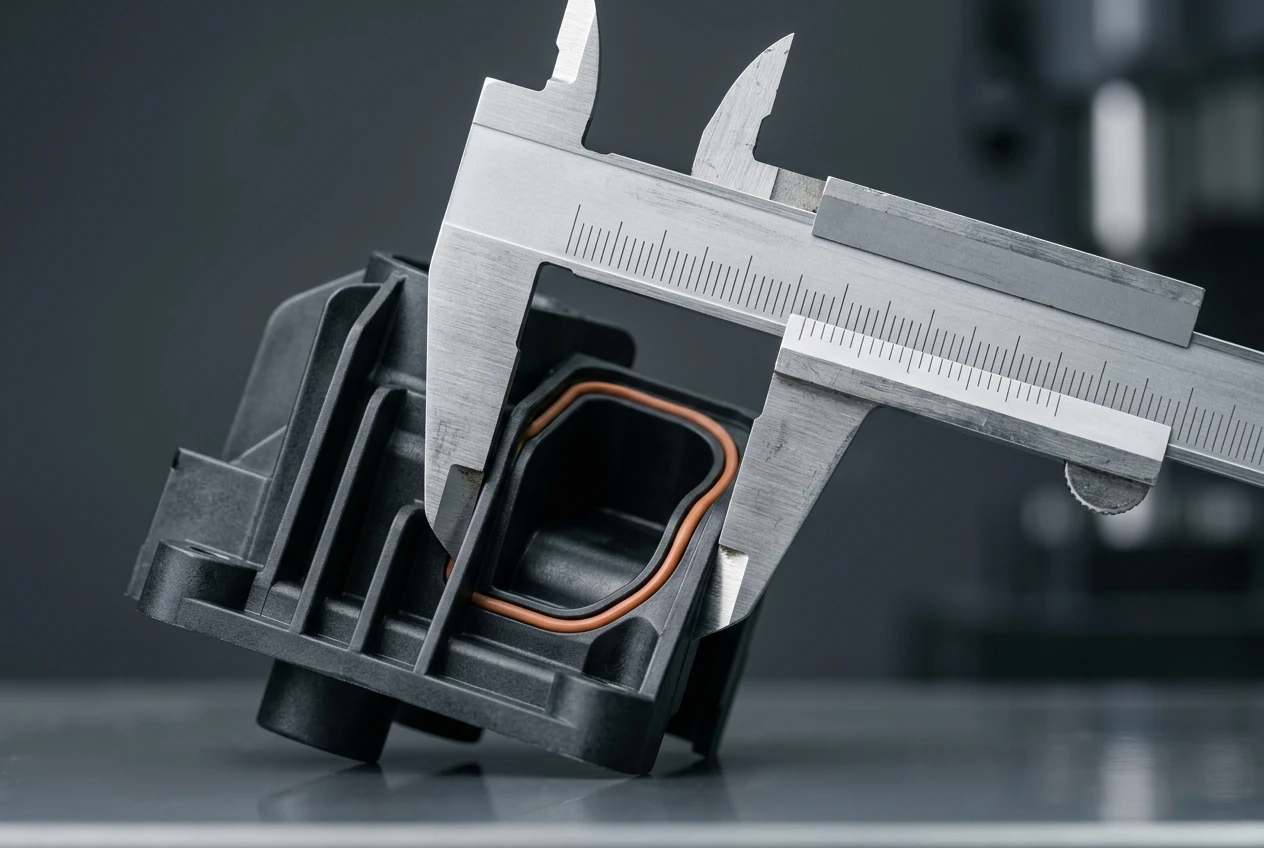
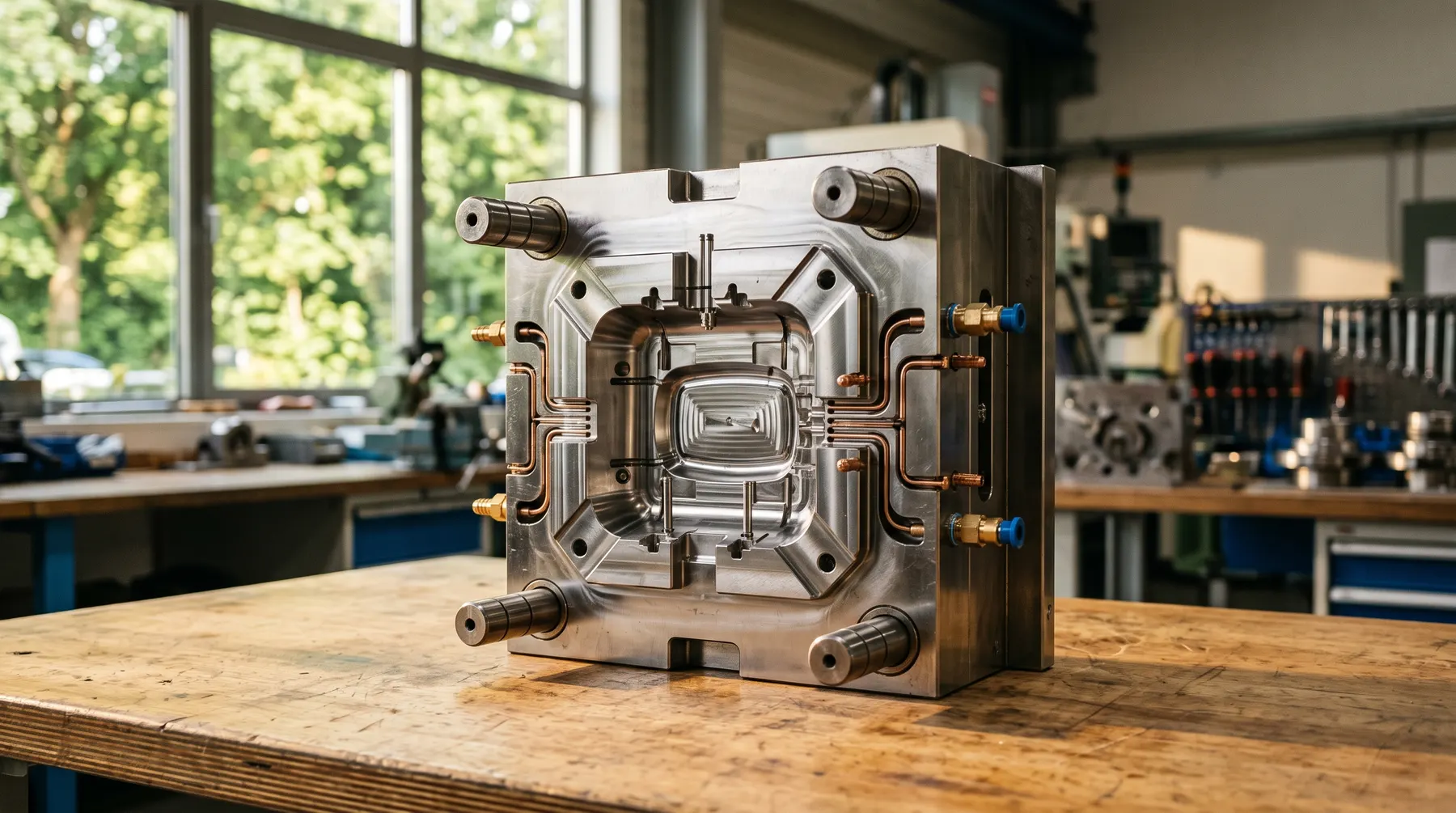
The most critical factor in successful overmold tooling is the shut-off design. The overmold tool cavity must clamp firmly against the molded substrate to prevent elastomeric flash from bleeding onto cosmetic surfaces.
Because pre-molded plastic substrates have slight dimensional shrinkage variations, shut-off lands must incorporate controlled interference seals. Overmold wall thickness should generally measure between 1.5 mm and 3.0 mm to guarantee balanced flow without burning thin substrate sections.
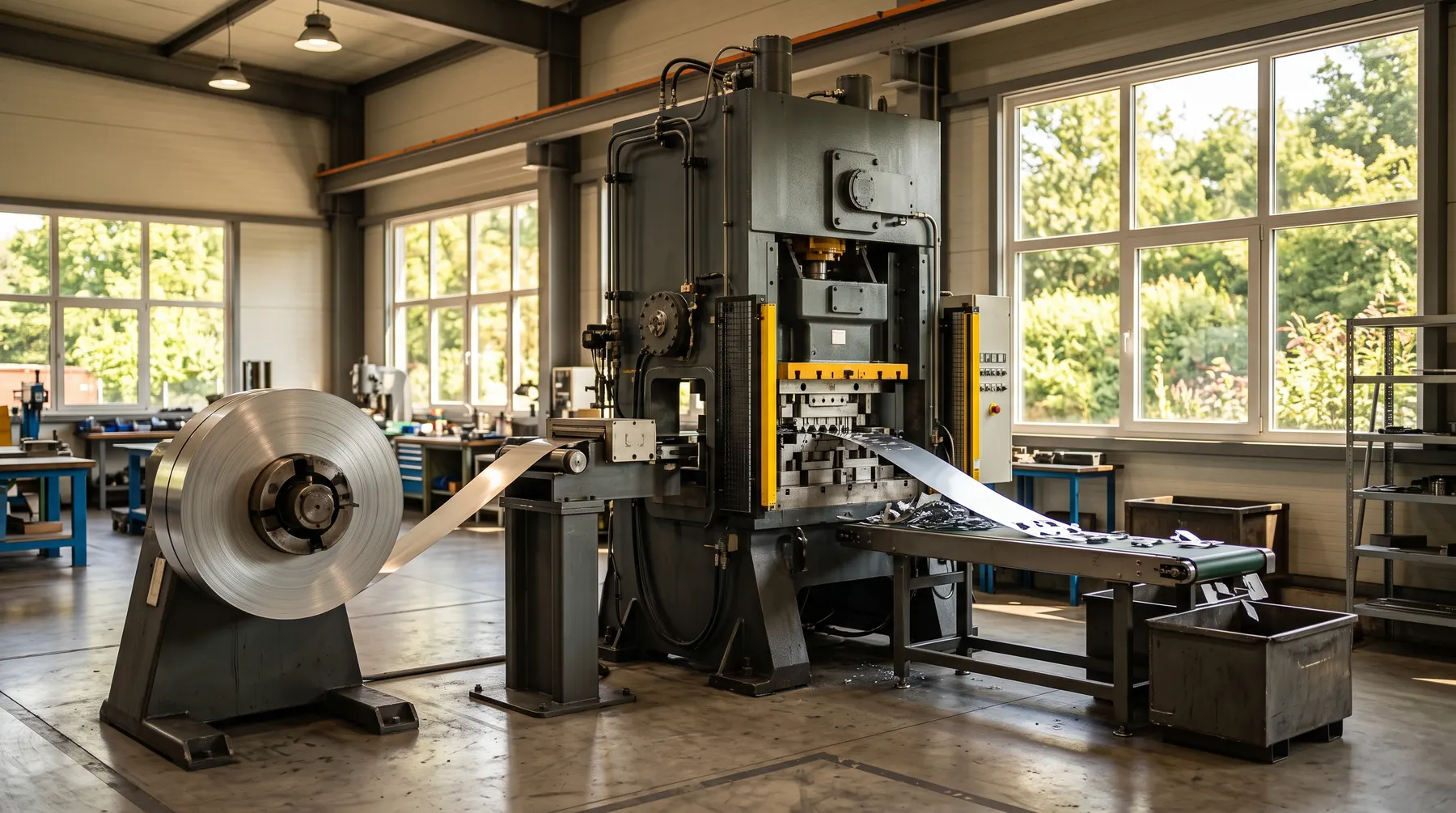
In-house coordination with metal stamping operations
Because our Ninghai facility operates both precision metal stamping presses and injection molding machines under one roof, we manufacture stamped metal inserts and overmolded assemblies without relying on external subcontractors.
This unified setup eliminates transit delays between metal stampers and plastic molders, ensures strict dimensional matching between stamped stamping tolerances and mold nesting pockets, and lowers administrative overhead for European purchasing teams.
Recommended technical pages
Related manufacturing processes and guides
Explore engineering documentation, process limits, and material guidelines.
Metal stamping
Progressive dies, stamped terminals, and hardware inserts produced in house.
Tooling and mold making
CNC toolroom, precision EDM, mold testing, and customer tooling ownership.

How injection molding works
Step by step analysis of machine clamp forces, melt injection, and defect avoidance.
Frequently asked questions
Direct technical answers on processes, tooling, standards and commercial terms.
What is the primary difference between overmolding and insert molding?
In insert molding, a pre-fabricated component, usually a machined or stamped metal insert, is placed into the mold cavity and plastic is injected around it. In overmolding, an elastomeric polymer is injected directly over a previously molded plastic substrate.
Will rubber adhere reliably to any thermoplastic substrate?
No. Successful bonding depends on chemical compatibility between resin matrices, processing temperatures, and surface energy. Incompatible pairings require engineered mechanical interlocks such as dovetails or through-holes to ensure retention.
Can overmolding be performed on standard single-barrel molding machines?
Yes. In two-step overmolding, the rigid substrate is molded first on one press, then transferred manually or via robot into a secondary tool in another press where the elastomeric layer is injected.
What critical specifications must be provided when requesting an overmolding quote?
Specify the rigid substrate resin, the overmold elastomer type and Shore A hardness rating, color requirements, critical shut-off boundary lines, and whether chemical bonding or mechanical interlock is preferred.
What typical defects occur during overmolding and how are they prevented?
Common defects include flash over cosmetic areas, delamination between layers, and thermal warping of thin substrates. They are prevented through precision CNC shut-off tooling, optimized gate locations, and controlled barrel temperatures.
Evaluate your overmolding or insert part
Send substrate geometry, preferred elastomer compound, and Shore hardness requirements. We review shut-off sealing and bonding compatibility.