Injection mold cost and lead time: what drives both
Injection mold tooling costs and delivery schedules are governed by five primary engineering drivers: component envelope dimensions, number of mold cavities, tool steel hardness, parting line complexity including mechanical side actions, and specified surface finishes. Understanding these drivers allows European procurement teams to make strategic design trade-offs that lower initial tooling expenditure without compromising part quality.
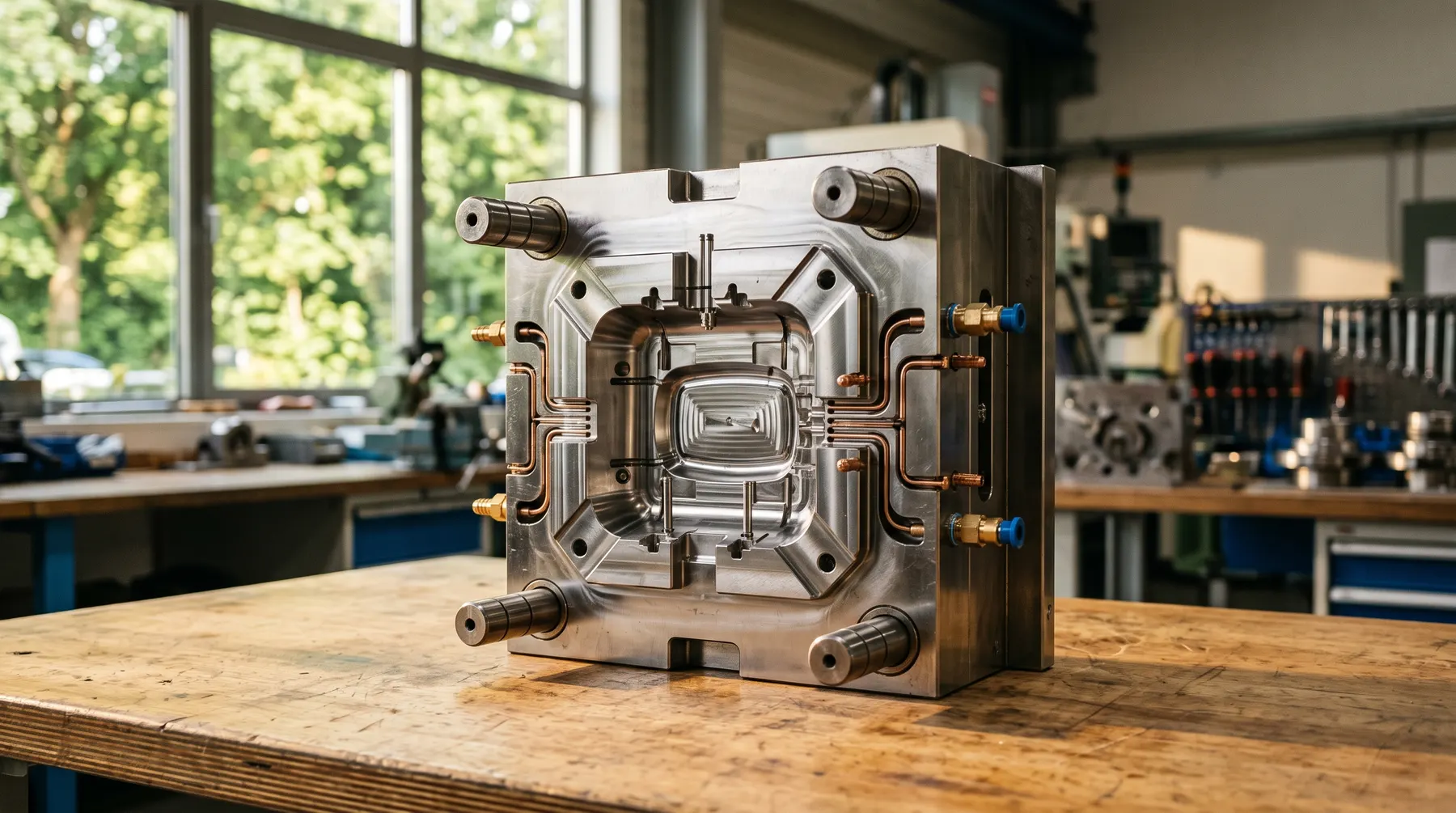
The primary drivers of injection mold tooling investment
Purchasing injection mold tooling represents a capital investment that directly affects overall project economics. In contrast to piece part manufacturing costs, tooling costs are incurred upfront during initial product development.
Mold pricing reflects raw tool steel tonnage, precision CNC machining hours, electrical discharge machining (EDM) electrode creation, bench fitting, and initial press trial time. By understanding how component geometry dictates toolmaker labor hours, engineers can modify non-critical features to reduce tooling quotations by twenty to forty percent.
Tooling driver breakdown: Impact on tooling budget and delivery lead time
| Tooling design driver | Low cost / Fast delivery configuration | High cost / Extended lead time configuration | Practical engineering recommendation |
|---|---|---|---|
| Cavity count | Single cavity or 2-cavity balanced layout | 8, 16, or 32 cavity multi-plate tool | Choose single cavity for volumes under 20k units annually |
| Parting line geometry | Flat, planar 2D parting line | Stepped, contoured, or 3D curved parting surface | Keep parting lines in a single flat plane where possible |
| Side actions & undercuts | Zero undercuts, straight line ejection | Multiple mechanical slides, angular lifters, unscrewing cores | Redesign snap fits and holes to eliminate side slides |
| Mold steel selection | Pre-hardened P20 or 718H steel (30 to 38 HRC) | Through-hardened S136 or H13 (48 to 54 HRC) | Select P20 for non-abrasive resins and short to medium runs |
| Runner delivery system | Cold runner with direct sprue or edge gate | Hot runner manifold with individual thermal valve gates | Cold runners keep mold tooling simple and economical |
| Surface finish specification | Standard SPI B2 (fine paper) or EDM spark texture | SPI A1 optical diamond mirror polish or mold-tech grain | Specify diamond polish only on functional optical surfaces |
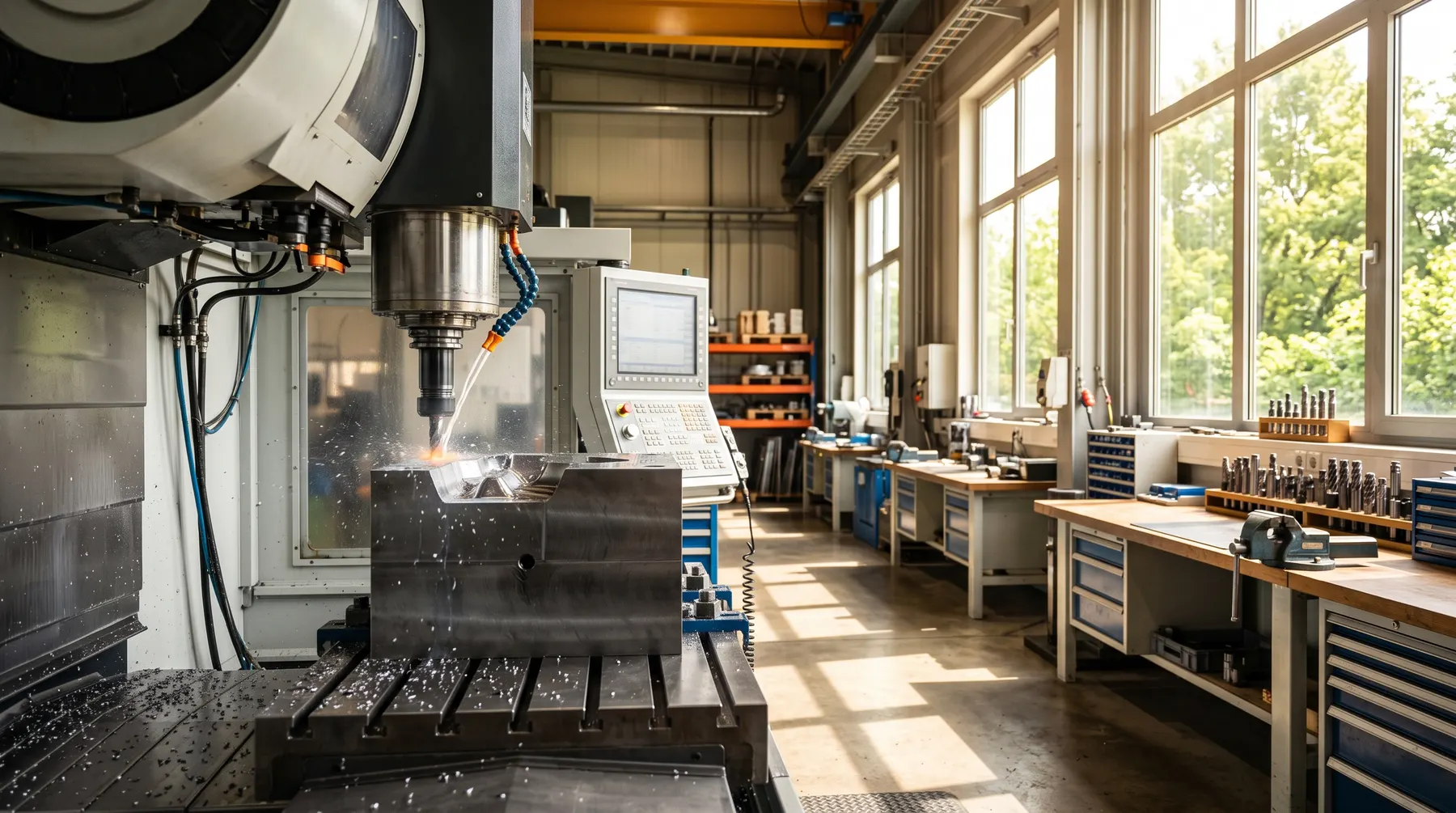
How cavity count balances tooling cost against unit price
The most fundamental tooling decision is choosing between a single cavity mold and a multi-cavity tool. A single cavity mold minimizes initial capital expenditure and shortens mold construction time to three to four weeks.
However, a single cavity tool produces only one part per press cycle, resulting in higher piece price. A four cavity mold roughly doubles initial tooling investment, but quadruples hourly part output, cutting machine time costs per unit in half.
The formula for evaluating cavity investment is straightforward: Amortized mold cost per part equals total mold cost divided by total anticipated production volume. For annual volumes under ten thousand parts, single cavity tooling is almost always the most economical choice.
Lead time milestones: From CAD approval to T1 trial samples
A standard mold manufacturing schedule spans three to six weeks depending on complexity. The schedule proceeds through clear technical milestones:
Week 1 Design review and steel procurement: Final DFM review, 3D mold base assembly drawings, and delivery of certified steel blocks.
Week 2 Rough CNC machining and cooling channels: Squaring blocks, milling rough cavity pockets, and deep hole drilling of water cooling circuits.
Week 3 Precision semi-finishing and EDM: High speed CNC finishing of complex geometries, milling copper or graphite electrodes, and sinker EDM for deep narrow ribs.
Week 4 Fitting, polishing, and assembly: Bench hand polishing, fitting ejector pin arrays, slider alignment, and assembly into the mold frame.
Week 5 Press trial and T1 sampling: Mounting mold in press, establishing molding parameters, and running first article samples for full CMM dimensional inspection.
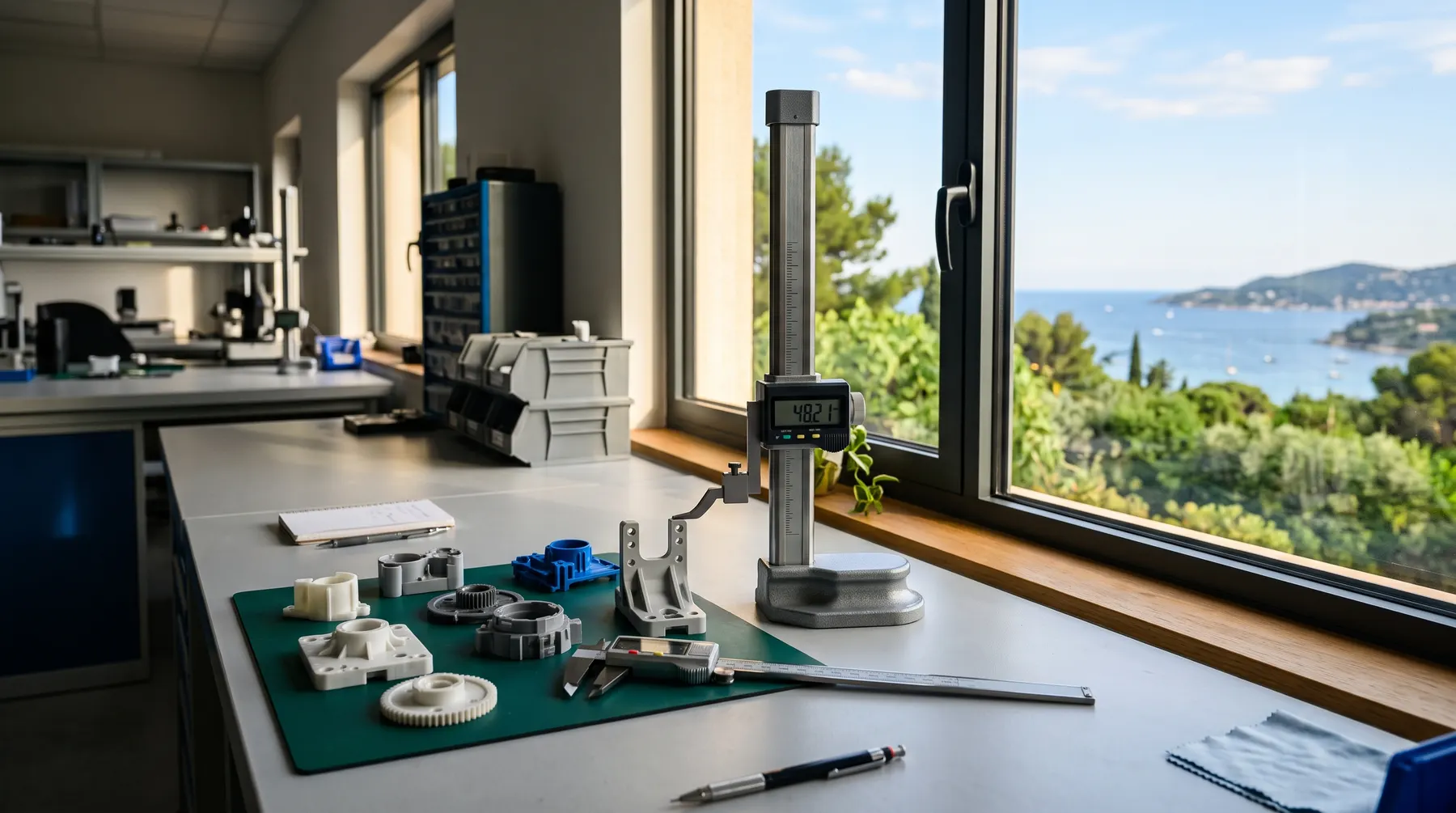
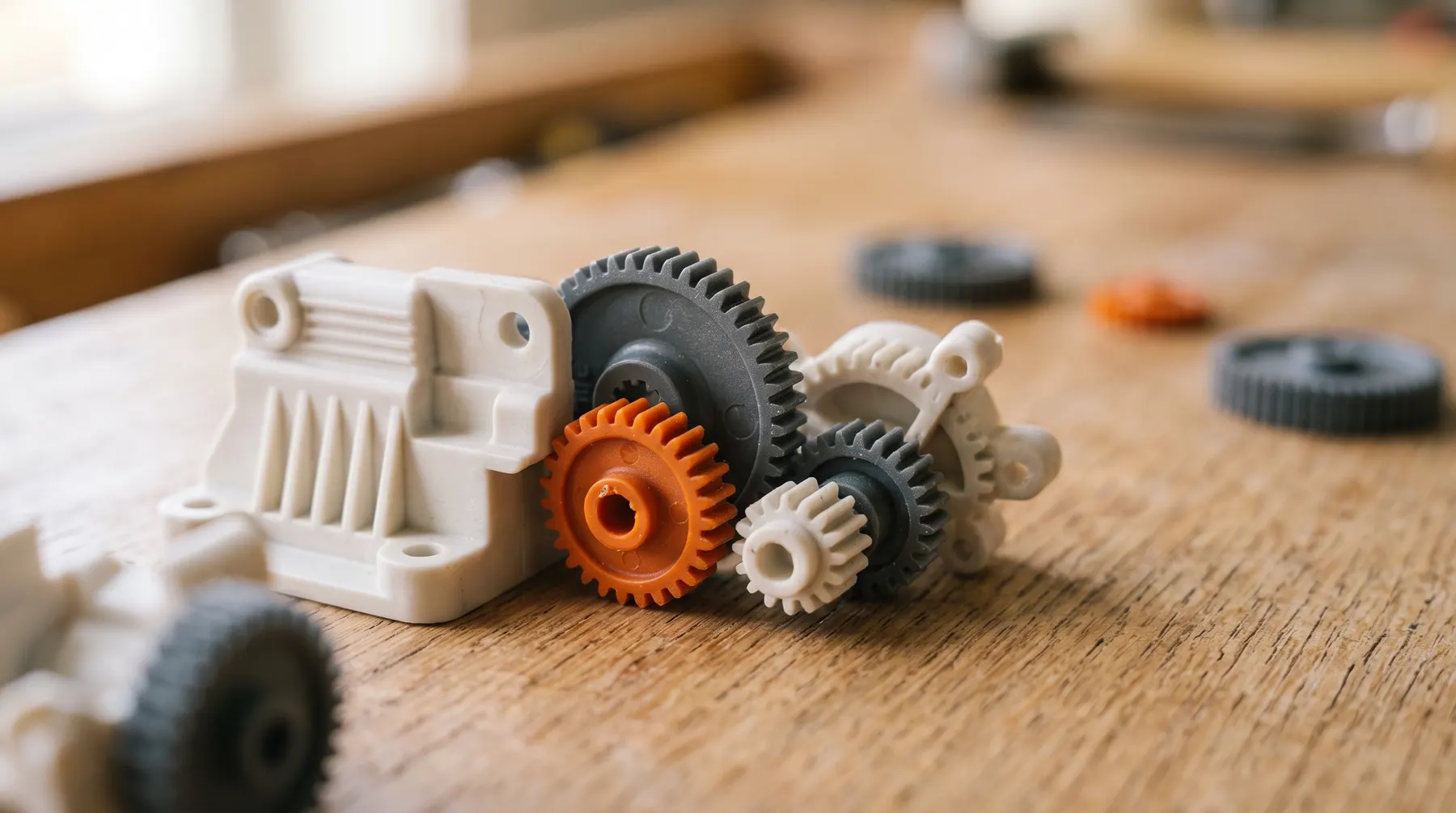
How to compare supplier tooling quotations objectively
When evaluating quotes from different manufacturers, never compare headline prices in isolation. A low quotation may specify inferior P20 steel with a life of fifty thousand shots, while a higher quote includes through-hardened S136 stainless steel rated for a million shots.
Always request that suppliers confirm: exact steel grade for cavity and core, mold base manufacturer standard, number of included sample trial shots, surface texture standard, whether the buyer owns the mold outright upon final payment, and where the mold is stored and insured between production orders.
Recommended technical pages
Related manufacturing processes and guides
Explore engineering documentation, process limits, and material guidelines.
Tooling & mold making
CNC toolroom, precision EDM, T1 sampling, and lifetime mold maintenance in Ninghai.
Small-batch injection molding
Single-cavity tooling, master mold bases, and low volume production economics.
Design guidelines & DFM
Design rules that simplify tooling, reduce cycle times, and prevent molded defects.
Frequently asked questions
Direct technical answers on processes, tooling, standards and commercial terms.
What single factor makes an injection mold most expensive?
Component size and cavity count are the largest cost drivers, followed by the requirement for moving mechanical slides or lifters to clear undercuts.
Why do two tooling quotes for the same 3D part differ significantly?
Discrepancies usually stem from differing assumptions: tool steel grades, cold runner versus hot runner manifolds, expected mold shot life, and whether sample inspection reports are included.
How can an engineering team shorten mold building lead time?
Freeze 3D CAD models early, reply promptly to DFM review questions, accept standard SPI finishes rather than custom chemical textures, and avoid late geometry changes once steel cutting has begun.
Is injection mold tooling an ongoing cost or a one-time investment?
Tooling is a one-time capital investment. Routine maintenance and cavity lubrication between runs are typically covered by the molder, while component production is billed separately on a piece price basis.
Can a European buyer transfer their mold to another factory if needed?
Yes, provided the purchase contract confirms that the buyer owns the tooling in full once tooling invoices are paid, and all outstanding piece production accounts are settled.
Request a transparent tooling estimate
Send STEP 3D models and annual order forecasts. We break down cavity counts, steel options, and provide guaranteed tooling schedules.