Importing plastic parts from China into the EU: compliance checklist
Importing custom plastic components from China into the European Union requires comprehensive compliance verification across customs classification, product liability, chemical restrictions, and environmental directives. Under EU law, the entity importing parts takes on manufacturer responsibilities, requiring verified REACH SVHC declarations, RoHS test reports, valid EORI registration, and clear Incoterms 2020 delivery agreements before cargo departs Ningbo port.
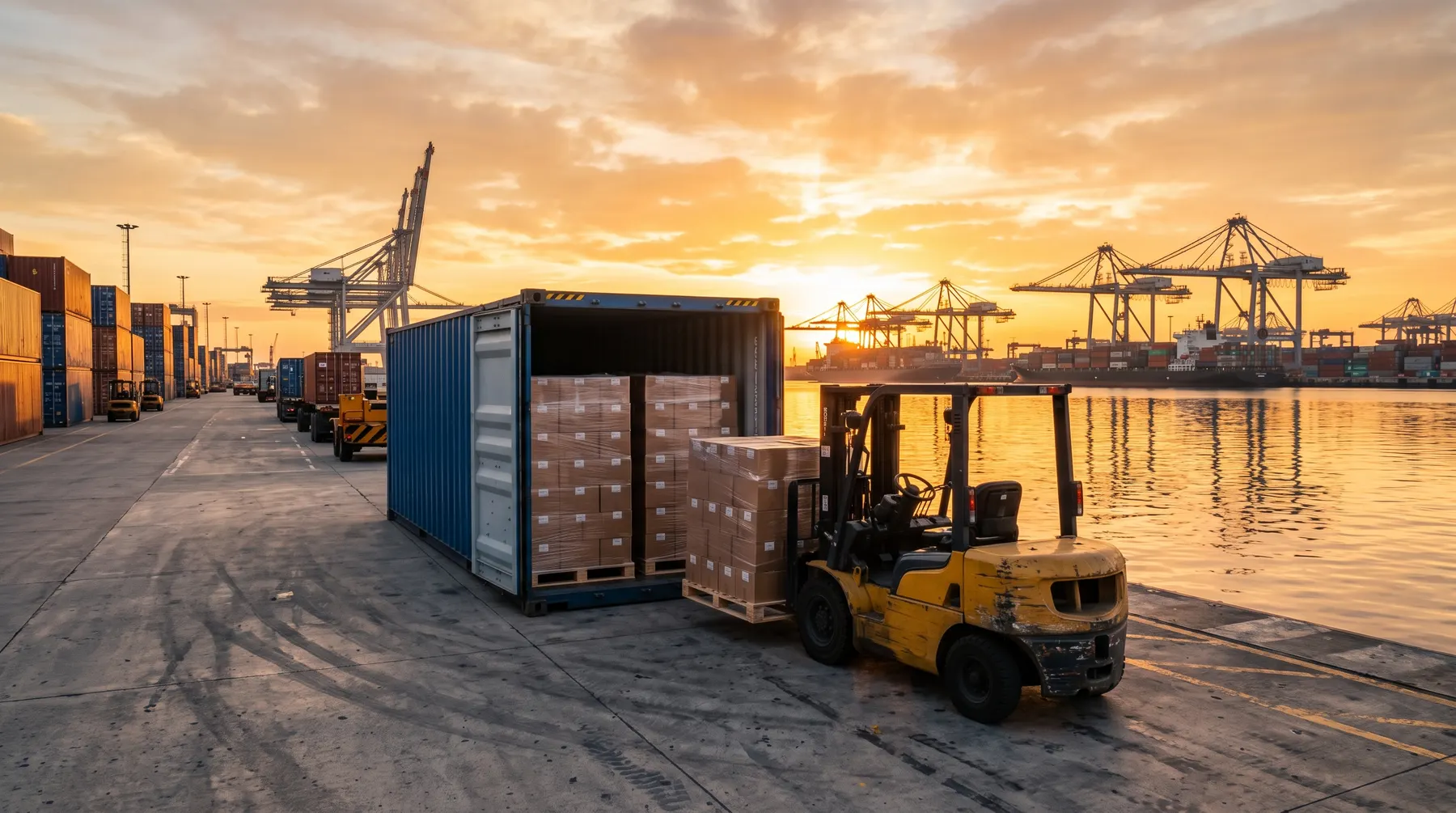
Legal status of the European importer and technical liability
Under European Union market surveillance regulations (specifically Regulation EU 2019/1020 and the European Commission Blue Guide), when an overseas manufacturer lacks an established economic entity within the EU, the European importer of record legally assumes primary product liability.
This means that European engineering firms purchasing custom components from China must assemble and maintain technical documentation demonstrating regulatory conformity. Sourcing components with verified test reports, mill certifications, and material safety data sheets from the factory ensures smooth customs clearance and protects against regulatory audits.
Incoterms 2020 comparison for European ocean freight procurement
| Incoterm rule | Export customs & loading | Ocean freight carriage | Transit cargo insurance | Import customs & EU duty | Recommended buyer profile |
|---|---|---|---|---|---|
| EXW (Ex Works) | Buyer arranges at factory gate | Buyer arranges and pays | Buyer option | Buyer pays at destination port | Only for buyers with full Chinese freight forwarding infrastructure |
| FCA (Free Carrier) | Seller clears China export | Buyer arranges and pays | Buyer option | Buyer pays at destination port | Favorable for consolidated container shipments |
| FOB (Free on Board) | Seller loads onto vessel at Ningbo | Buyer contracts ocean freight | Buyer option | Buyer pays at European entry port | Recommended standard for European buyers controlling ocean shipping |
| CIF (Cost, Insurance & Freight) | Seller arranges and loads at Ningbo | Seller pays ocean freight | Seller provides minimal insurance | Buyer pays at European destination | Traditional sea freight term; port handling fees paid at destination |
| DAP (Delivered at Place) | Seller manages export and freight | Seller pays ocean freight | Seller arranges carriage risk | Buyer pays import VAT and duty | Convenient turnkey delivery to European warehouse door |
| DDP (Delivered Duty Paid) | Seller handles full journey | Seller pays ocean freight | Seller bears full transit risk | Seller clears customs and pays duty | Maximum seller liability; requires seller EU tax registration |

GPSR, CE marking, and sector-specific European legislation
The General Product Safety Regulation (GPSR, Regulation EU 2023/988) applies across all member states from 13 December 2024 for consumer products, mandating an EU-based Responsible Economic Operator whose name and contact address must accompany the product.
It is important to note that an individual injection molded part sold as an industrial component to an OEM manufacturer is not itself a finished consumer product and does not carry an individual CE mark.
Instead, CE marking applies to the finished equipment or consumer article placed onto the market. However, the OEM relies on component material test reports, flammability data, and dimensional certifications to assemble their overall CE technical construction file.
Chemical compliance: REACH SVHC declarations and RoHS directives
REACH (Regulation EC 1907/2006) mandates that suppliers of articles in the EU provide recipients with sufficient information if an article contains any Substance of Very High Concern (SVHC) on the Candidate List in a concentration exceeding 0.1% weight by weight (Article 33 notification).
For molded parts and stamped hardware incorporated into electrical and electronic equipment, RoHS Directive (2011/65/EU and 2015/863) enforces strict maximum concentration values for lead, cadmium, mercury, hexavalent chromium, and specific flame retardants. Our facility provides certified RoHS and REACH declarations for all processed resins and metal finishes.
Ocean freight transit times from Ningbo to European ports
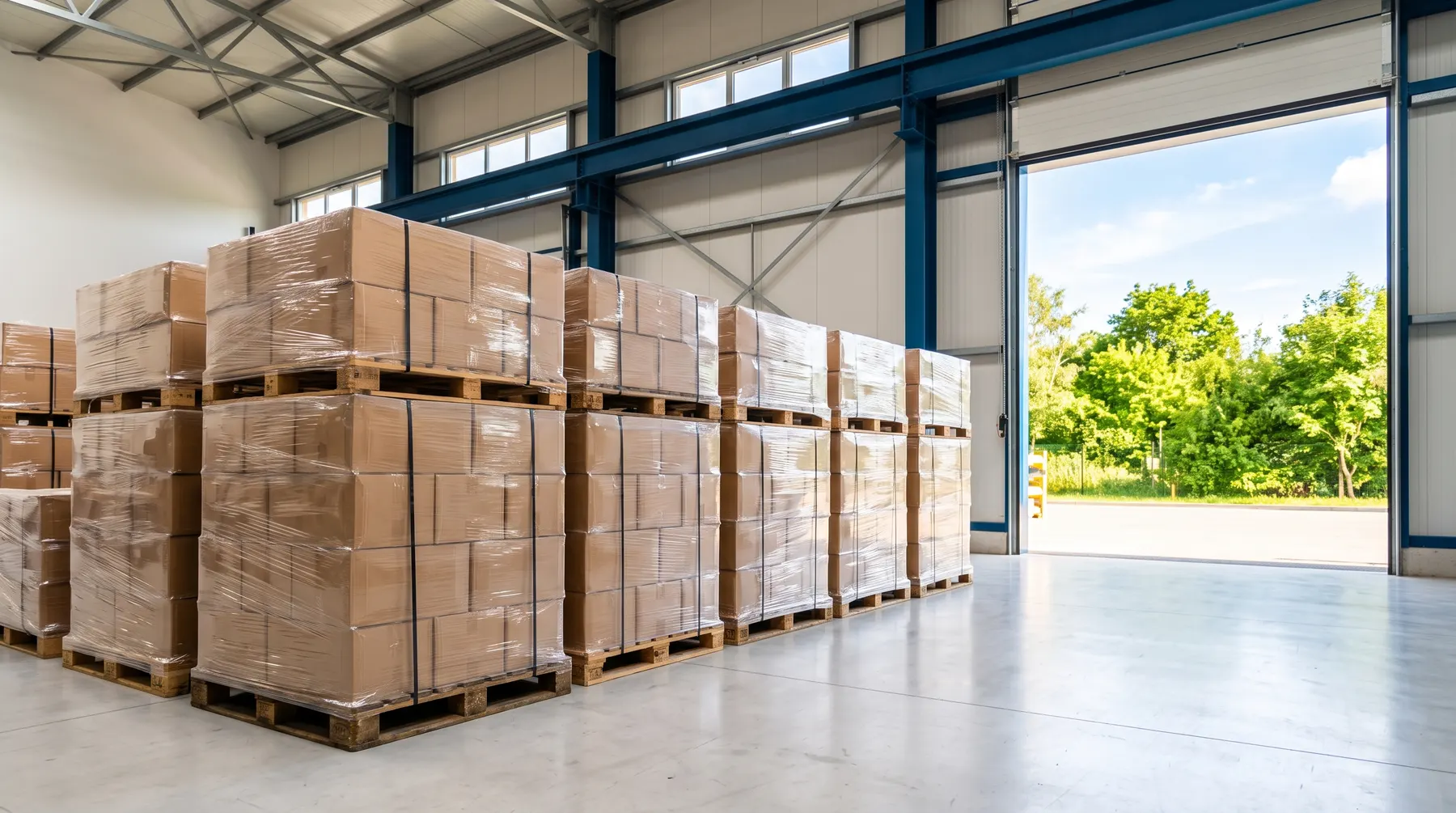
Ningbo-Zhoushan port is the world largest port by cargo tonnage, located approximately eighty kilometers north of our Ninghai manufacturing plant. Direct container drayage from factory loading dock to port terminals takes less than two hours.
Ocean freight transit times from Ningbo to major northern European container hubs (Rotterdam, Antwerp, Hamburg) and Mediterranean ports (Genoa, Valencia) currently average thirty five to fifty three days under southern maritime routes around the Cape of Good Hope. Buyers should budget six to eight weeks from factory gate release to European customs clearance.
European customs clearance: HS codes, EORI, and import VAT
Every European importer must possess an Economic Operators Registration and Identification (EORI) number issued by their national customs authority before cargo arrives.
Customs declarations require accurate Harmonized System (HS) tariff classification. Molded plastic components commonly classify under HS Chapter 39 (plastics and articles thereof), with typical third-country customs duty rates ranging from zero to 6.5 percent.
Import VAT is assessed on the customs value (product cost plus freight and insurance) at the national rate of the entry country, but is generally recoverable as input VAT for VAT-registered commercial enterprises. Note: From 1 July 2026, low-value parcels up to 150 euros sent by air courier carry a flat 3 euro customs handling duty, impacting prototype sample shipments.
Recommended technical pages
Related manufacturing processes and guides
Explore engineering documentation, process limits, and material guidelines.
Injection molding in China
Comprehensive sourcing guide for European purchasing managers and engineers.

Materials guide
Detailed properties, flammability, and European food contact rules across common resins.
Mold cost and lead times
Tooling investment parameters, amortisation equations, and international delivery cycles.
Frequently asked questions
Direct technical answers on processes, tooling, standards and commercial terms.
Do I need an EORI number to import manufactured components into the EU?
Yes. Any business established in the European Union importing commercial goods from outside the EU customs territory must register for an EORI number with their national customs authority.
Who is legally responsible for paying import VAT on factory shipments?
The registered importer of record is responsible for paying import VAT upon customs entry. For VAT-registered commercial enterprises, this import VAT is generally deductible or recoverable on periodic VAT returns.
Which Incoterm rule is recommended for European engineering buyers?
FOB (Free on Board) Ningbo is the standard commercial recommendation, as it allows the European buyer to appoint their own freight forwarder and control ocean transit rates, maritime insurance, and destination port clearance.
What is a Substance of Very High Concern (SVHC) under EU REACH rules?
An SVHC is a chemical substance identified as carcinogenic, mutagenic, toxic to reproduction, or bioaccumulative. If present in an imported article above 0.1% by weight, suppliers must notify recipients with safe handling instructions.
Does our factory affix a CE mark to custom injection molded parts?
No. CE marking applies to completed equipment and finished consumer products under specific directives, not individual sub-components. We provide the material test reports and dimensional data required for your overall CE technical file.
Review customs classification and logistics terms
Send part drawings and target European delivery port. We calculate carton dimensions, container volume, and export customs clearance documentation.