In-house tooling and mold making in Ninghai
Operating our own toolroom in Ninghai allows us to build, validate, and maintain injection molds and stamping dies directly on site. This direct integration eliminates subcontractor markups, shortens design revision cycles, ensures immediate tool adjustments during sampling, and gives European buyers clear accountability and secure tooling ownership from initial CAD review through volume production.
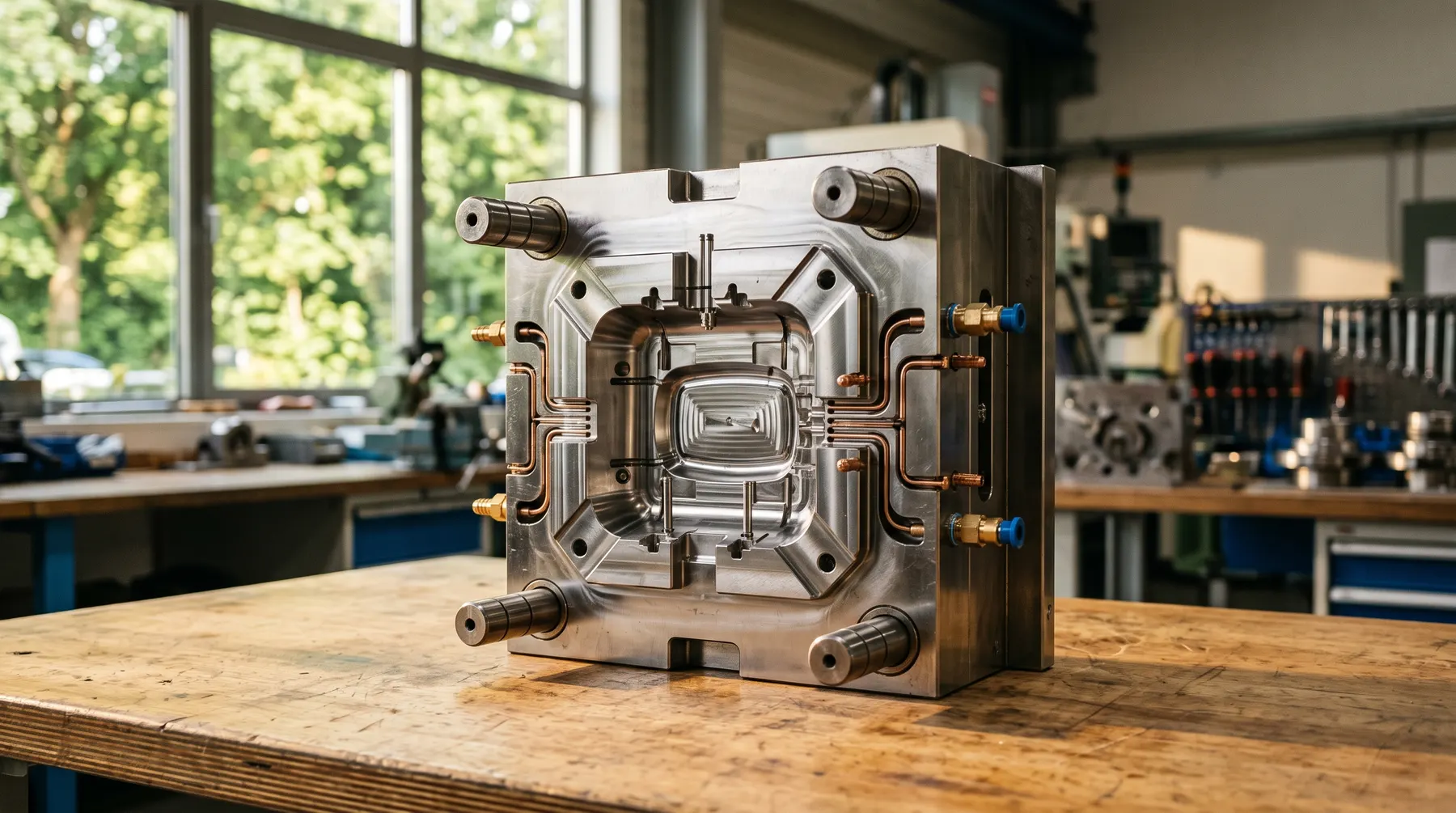
Why in house mold manufacturing creates a decisive advantage
In conventional sourcing models, many contract molders outsource mold fabrication to external toolrooms. This introduces communication delays, layered profit margins, and finger pointing whenever sample dimensions require adjustment.
At our Ninghai plant, our toolmakers work side by side with molding technicians. When a trial shot reveals a tight tolerance requirement or a cosmetic gate blemish, the mold returns immediately to our CNC or EDM machines for adjustment, saving weeks of international project time.
Tooling steel comparison: Mold steels, hardness, and practical shot life
| Mold steel grade | Core hardness | Polishability / Texture | Wear resistance | Expected tool life (shots) |
|---|---|---|---|---|
| P20 (1.2311) | 28 to 32 HRC pre-hardened | Good standard finish, SPI B2 | Standard resistance for non-abrasive resins | Fifty thousand to one hundred thousand |
| 718H (1.2738) | 33 to 38 HRC pre-hardened | Superior polishability, high gloss | Enhanced core hardness and core toughness | One hundred thousand to three hundred thousand |
| NAK80 | 38 to 41 HRC pre-hardened | Mirror polish SPI A1, EDM texture | Resists pitting and micro-cracking | One hundred thousand to two hundred thousand |
| S136 (1.2083) | 48 to 52 HRC through-hardened | Optical mirror finish, medical grade | High corrosion resistance for PVC/medical | Five hundred thousand to one million |
| H13 (1.2344) | 48 to 52 HRC through-hardened | Good polish, high thermal fatigue resistance | Extreme toughness for abrasive filled resins | Five hundred thousand to one million |
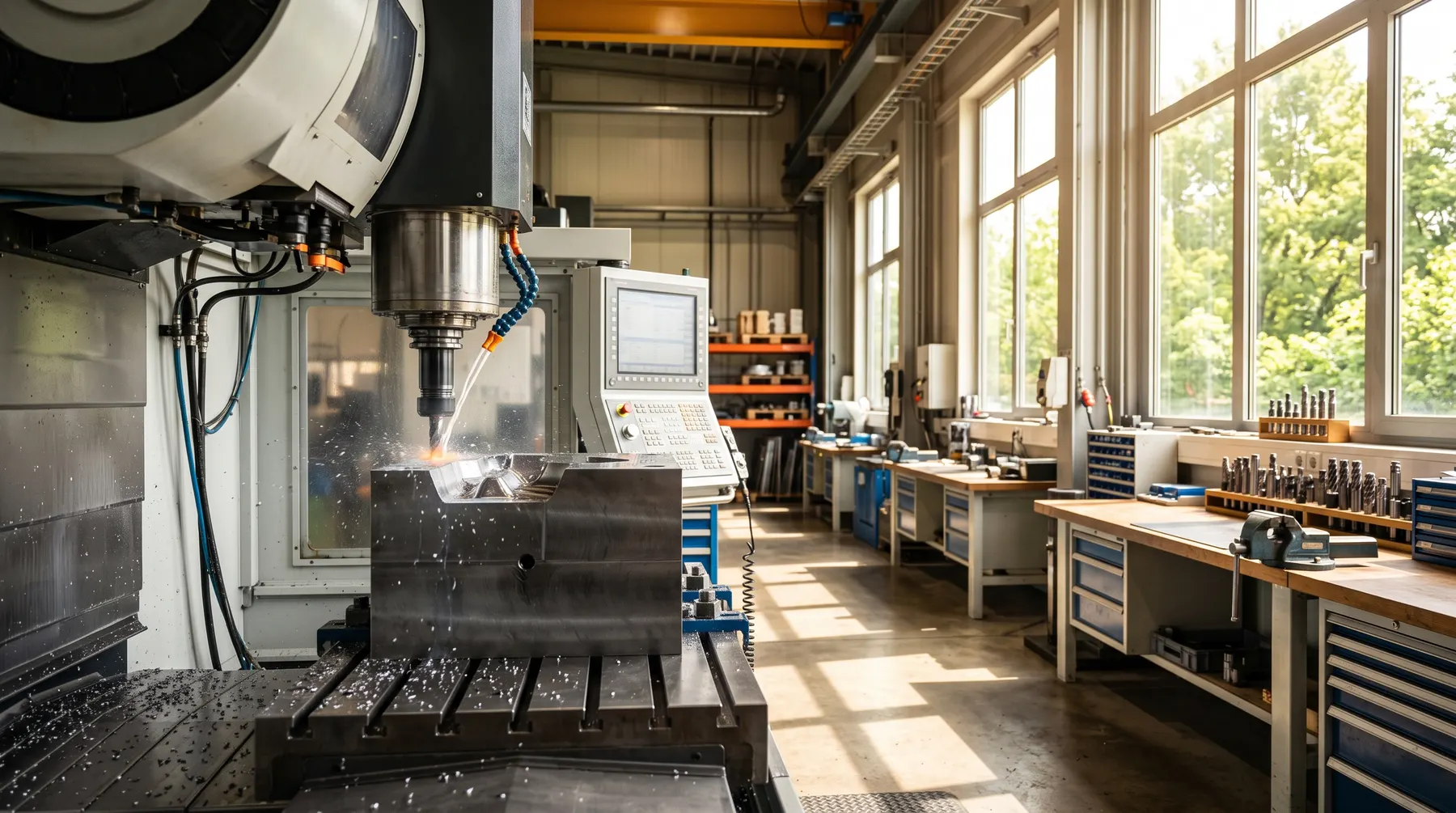
Complete tooling development workflow from DFM to release
Every tooling project proceeds through a disciplined engineering sequence. Upon receiving customer 3D models, our engineers generate a design for manufacturing report identifying potential draft restrictions, wall thickness transitions, parting line splits, and gate styles.
Following customer approval of the mold layout drawing, steel blocks are squared, rough machined on CNC milling centers, heat treated if through-hardening is specified, and finished using precision CNC engraving, wire electrical discharge machining (wire EDM), and sinker EDM for deep ribs.
Cavities and cores are hand polished to the agreed surface specification, ejector pins and cooling channels are fitted, and the mold is assembled for initial press testing.
T1 sampling protocol and dimensional sign-off
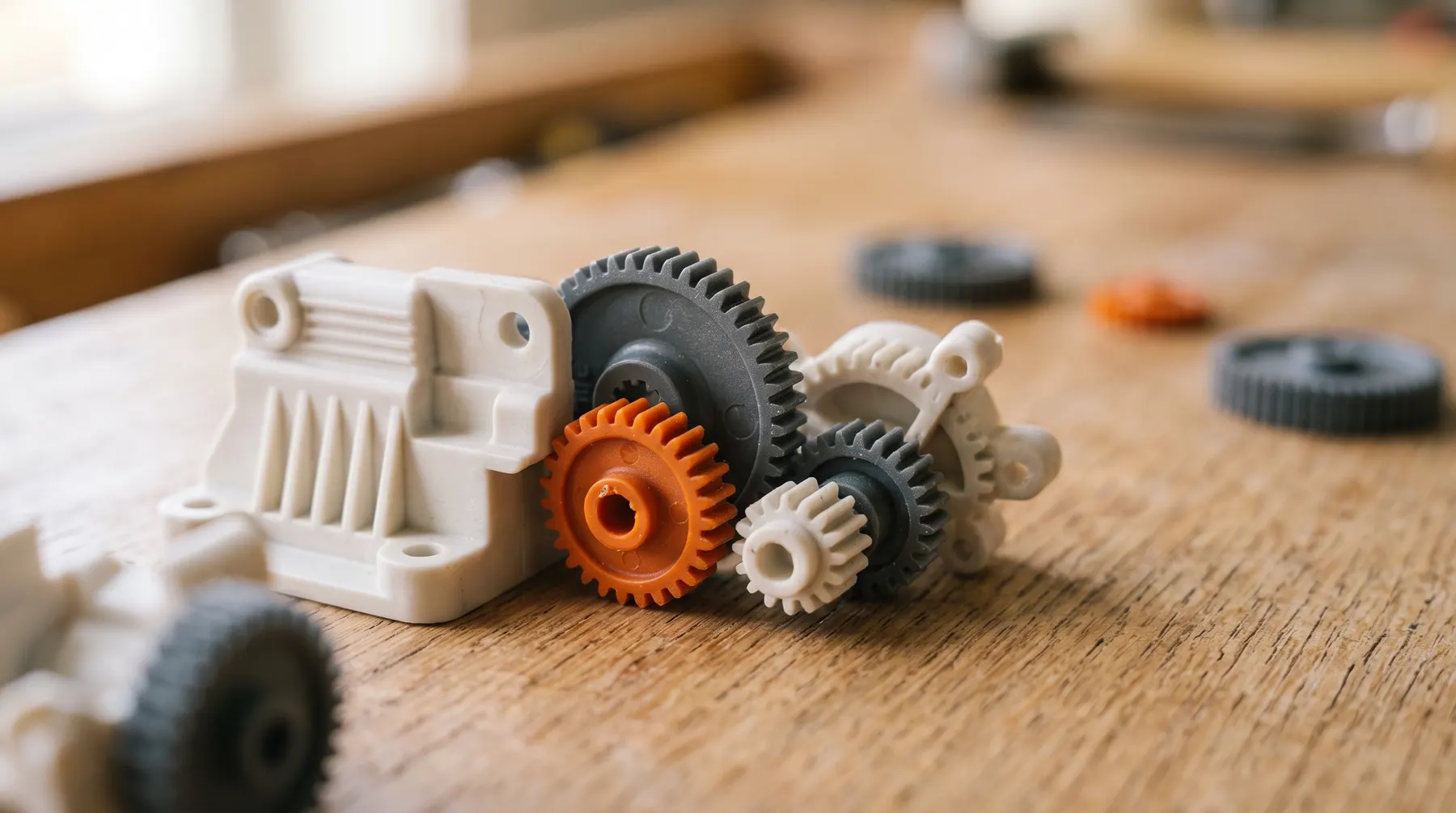
The initial trial run, known as T1, represents the first functional test of the assembled mold. Technicians establish baseline machine temperatures, injection speeds, and holding pressures, documenting optimal parameters for future production runs.
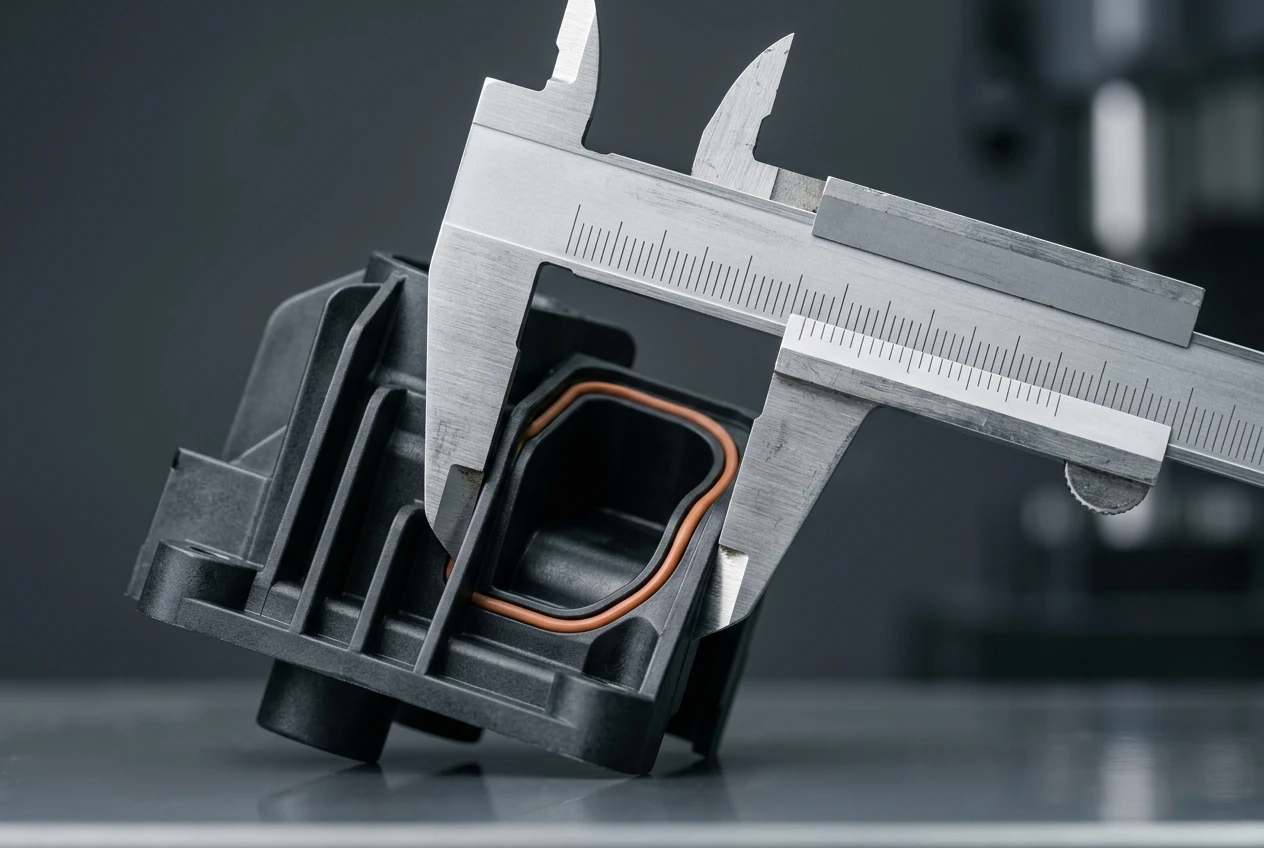
Trial parts are inspected using optical projectors, calipers, and coordinate measuring machines. Dimensional inspection reports highlighting critical tolerances are packaged with physical T1 samples and dispatched to European engineering teams for physical fit testing and written sign-off.
Tooling ownership terms, preventative maintenance, and storage
We treat tooling ownership with absolute transparency. Customers own their paid tooling in full. Each mold is stamped with a unique customer asset identifier and recorded in our mold registry.
Between scheduled production runs, molds are cleaned, coated with rust preventative oil, and stored in dedicated climate-protected tool racks. Routine maintenance, such as guide pin lubrication, vent cleaning, and seal replacements, is performed routinely without extra fees.
Recommended technical pages
Related manufacturing processes and guides
Explore engineering documentation, process limits, and material guidelines.
Mold cost and lead times
Understand cavity counts, mold steels, slides, and trial schedules that set tooling budgets.
Small-batch injection molding
Economical single cavity tooling and agile batch runs for specialized European products.
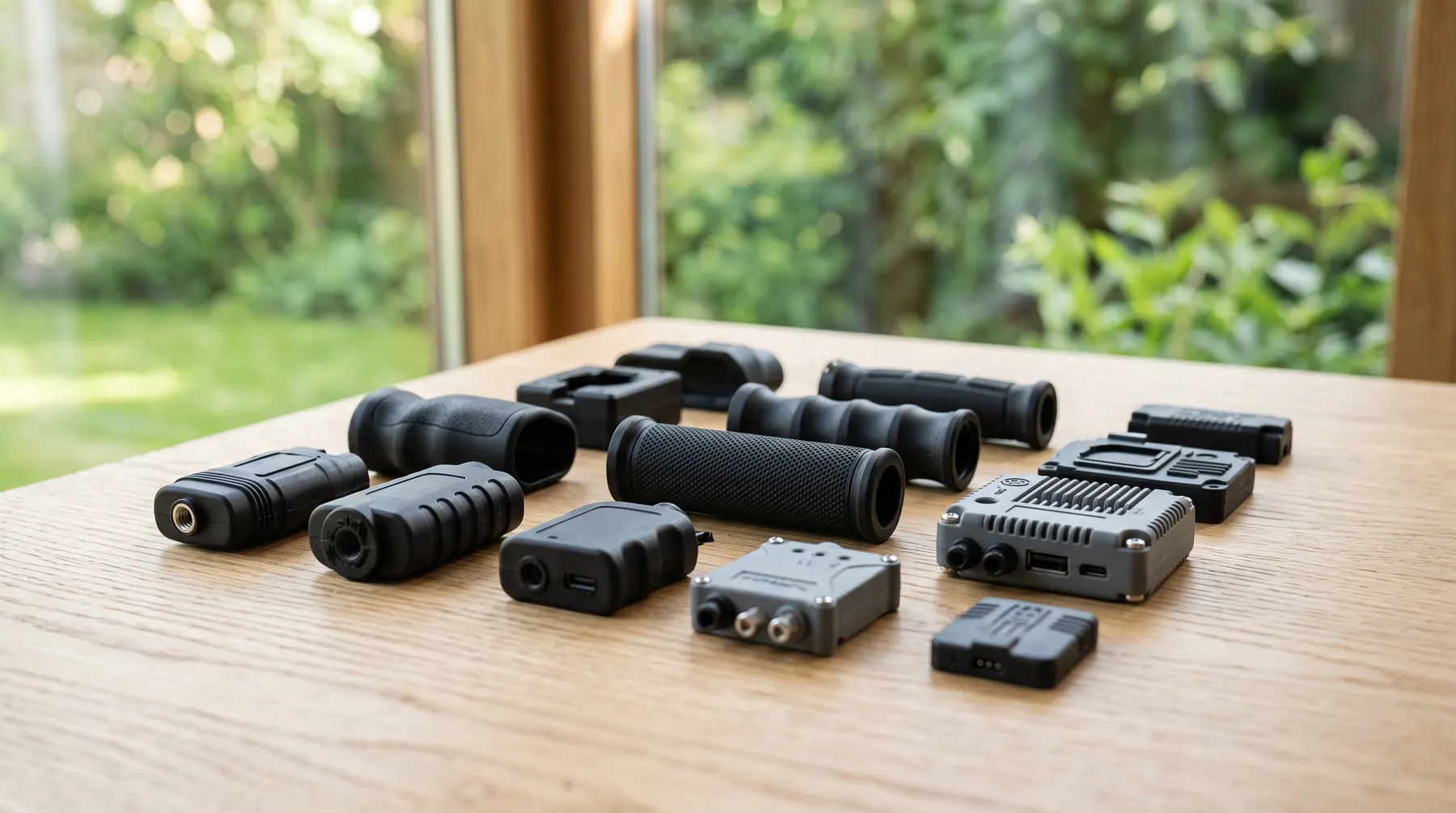
Overmolding and inserts
Tooling design rules for soft elastomer grips, shut-offs, and stamped metal inserts.
Frequently asked questions
Direct technical answers on processes, tooling, standards and commercial terms.
What information is included in a Design for Manufacturing (DFM) report?
A DFM report reviews part geometry, recommending draft angles, uniform wall thicknesses, gate types and locations, parting lines, ejection pin placements, and any required side actions before steel cutting begins.
What does T1 mean in injection molding tooling?
T1 refers to the first physical trial shots produced from a newly built mold. These parts are evaluated to verify basic dimensions, surface finish, and gating performance before fine tuning adjustments are applied.
How is mold operational life determined?
Mold life depends on chosen steel grade, heat treatment hardness, resin abrasiveness (such as glass fibre reinforcement), and operating cycle maintenance. Tool life is quoted in guaranteed shot cycles.
Where is the mold stored when production is inactive?
Molds are maintained, coated with protective anti-corrosion grease, and stored securely in our Ninghai facility mold warehouse at no extra storage fee while active production orders continue.
Can mold geometry be modified if our product design changes later?
Steel-safe modifications, where steel is removed from the mold to add plastic to the part, are straightforward. Adding steel to a mold requires micro welding or replacement inserts. Reviewing drawings early in the DFM step keeps changes economical.
Request a mold design evaluation
Send STEP 3D CAD files for a design for manufacturing review. We assess draft angles, parting line layouts, and calculate tooling costs.