Injection molding materials: how to choose between ABS, PC, PA, PP and POM
Selecting the right injection molding material requires balancing mechanical stiffness, impact resistance, continuous operating temperature, chemical exposure, and European regulatory compliance including REACH SVHC restrictions and RoHS directives. Commodity thermoplastics such as PP and ABS offer economical versatility, while engineering polymers like PC, Polyamide, and POM deliver superior thermal stability, creep resistance, and low-friction wear performance.
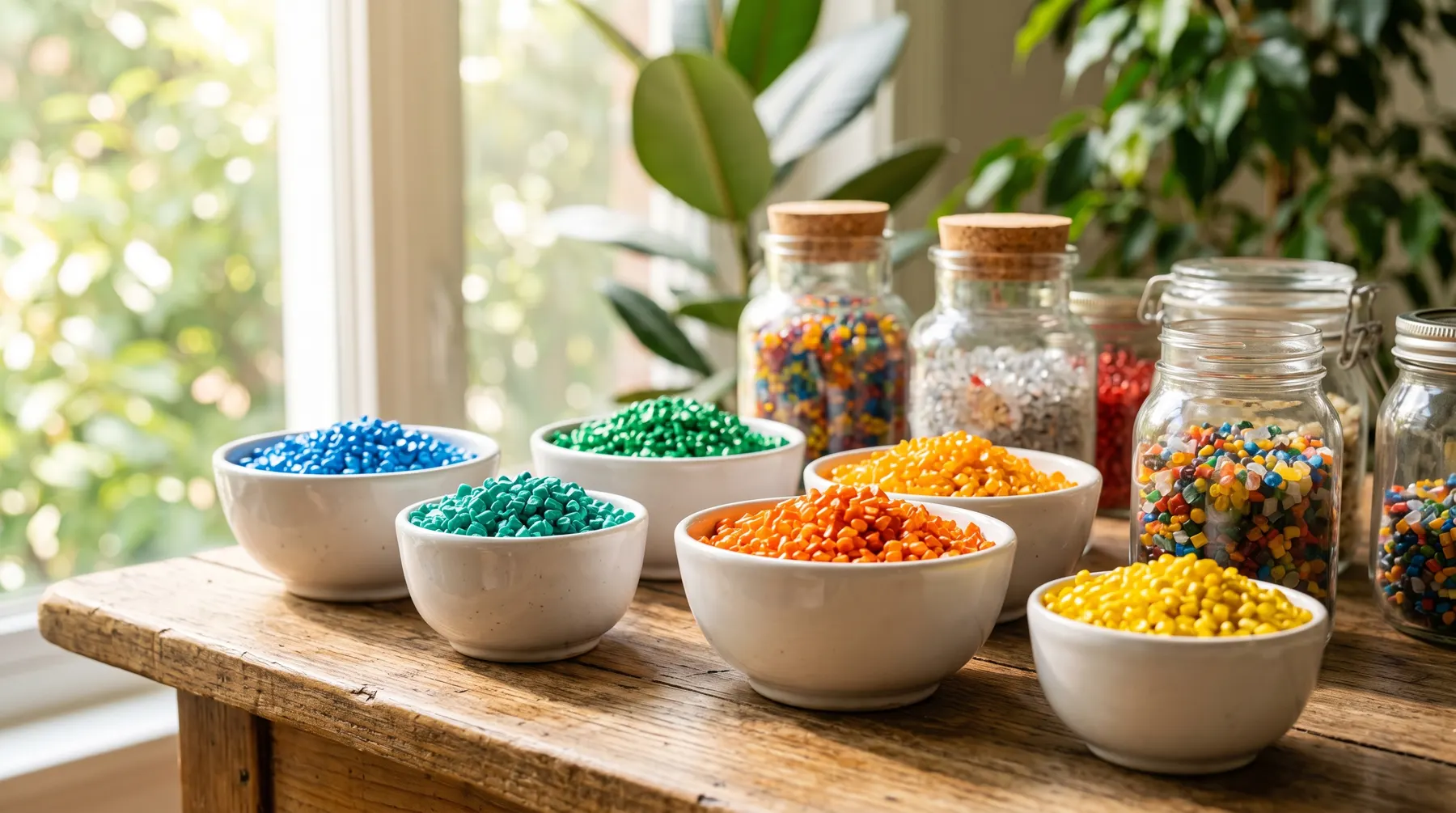
The primary criteria for selecting engineering thermoplastics
Choosing an engineering polymer is a decisive step that dictates part performance, tooling shrinkage compensation, cooling cycle times, and final component costs. Sourcing teams must examine operating conditions before finalizing resin callouts on engineering prints.
Primary engineering considerations include mechanical loading (tensile yield strength, flexural modulus, and impact toughness at low temperatures), thermal limits (continuous operating temperature and heat deflection temperature under load), environmental resistance (exposure to oils, industrial cleaning chemicals, and outdoor ultraviolet sunlight), and regulatory declarations required for the European single market.
Comprehensive thermoplastic resin comparison: Properties, costs, and typical applications
| Polymer family | Mechanical strength & stiffness | Thermal resistance (HDT) | Chemical & solvent resistance | Relative cost class | Typical industrial applications |
|---|---|---|---|---|---|
| ABS (Acrylonitrile Butadiene) | Moderate strength, high impact toughness, rigid | 85 to 100 °C | Resistant to acids; vulnerable to aromatic solvents | Economical commodity | Enclosures, appliance bezels, consumer electronics housings |
| PC (Polycarbonate) | Very high impact resistance, optical clarity | 125 to 140 °C | Sensitive to hydrocarbons; stress cracks under solvents | Moderate engineering | Light guides, protective shields, structural electrical covers |
| PC/ABS Alloy | Combines PC strength with ABS processability | 105 to 125 °C | Moderate chemical resistance | Moderate engineering | Automotive interior bezels, power tool housings, telemetry cases |
| PA6 / PA66 (Nylon) | High tensile strength, excellent wear and fatigue life | 160 to 220 °C (glass filled) | Resistant to hydrocarbons and oils; absorbs moisture | Moderate engineering | Structural gears, engine brackets, cable ties, bearing bushings |
| POM (Polyoxymethylene / Acetal) | High stiffness, low friction coefficient, dimensional stability | 110 to 140 °C | High resistance to fuels, solvents, and neutral chemicals | Moderate engineering | Precision gears, pump impellers, sliding mechanisms, fuel caps |
| PP (Polypropylene) | Good fatigue resistance (integral living hinges) | 90 to 110 °C | Superior resistance to acids, bases, and aqueous media | Very economical | Containers, battery cases, living hinges, fluid reservoirs |
| TPE / TPU (Elastomers) | High flexibility, soft touch, Shore 30A to 90A | 70 to 100 °C | Resistant to abrasion and oils (TPU); weatherable (TPE) | Moderate to premium | Overmolded grips, flexible sealing gaskets, vibration dampers |
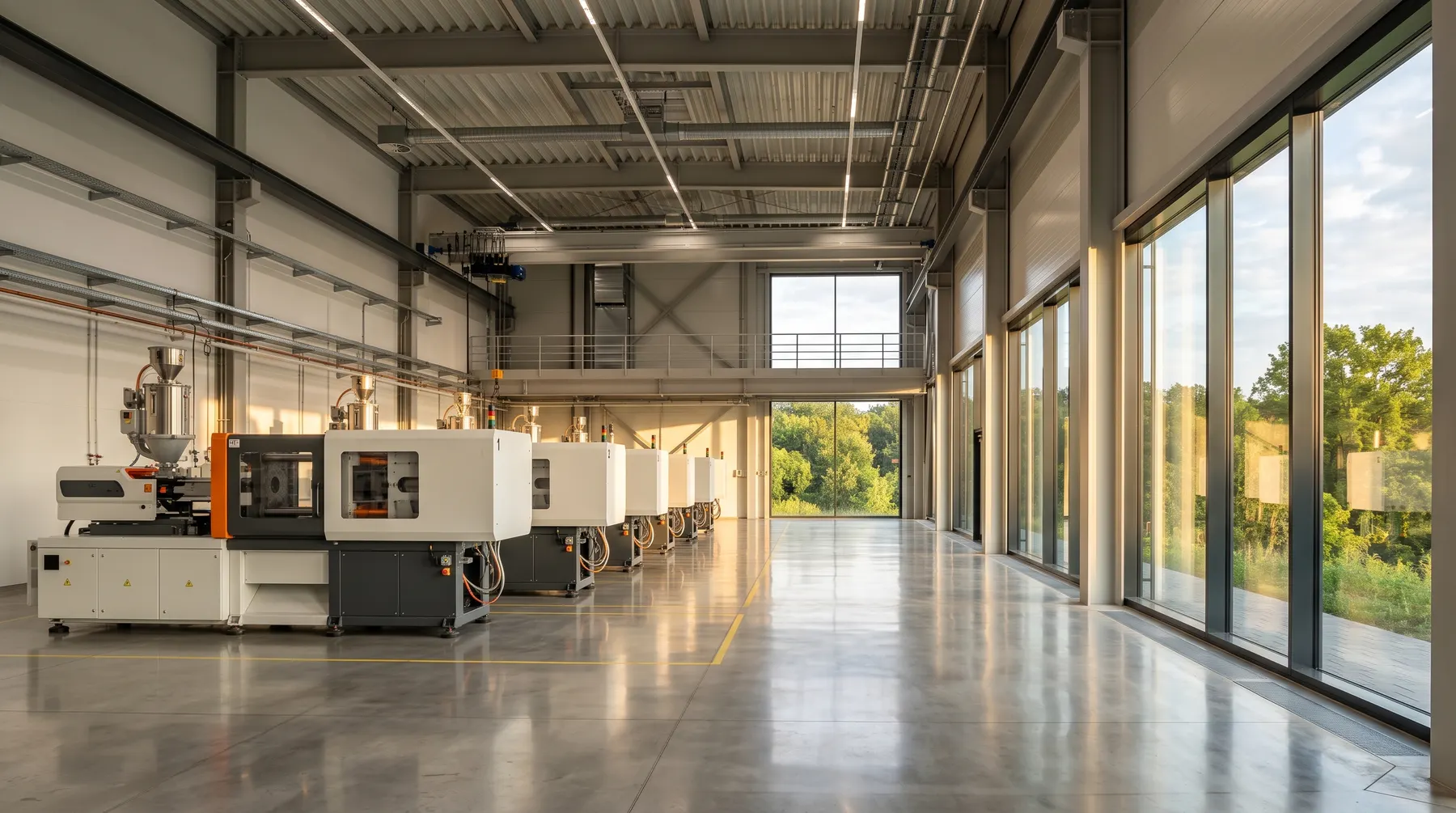
Glass fiber reinforcements and flame retardant additive packages
Base polymers can be modified with functional reinforcements to tailor mechanical characteristics. Adding short glass fibers (typically 15% to 30% by weight) to polyamide or polycarbonate dramatically increases tensile strength and flexural modulus while cutting thermal shrinkage in half.
However, glass fibers introduce directional anisotropy: shrinkage along the melt flow direction is substantially lower than perpendicular to flow, which can induce warpage in flat plates. Glass fibers also accelerate abrasive wear on tool steel, requiring hardened cavity steels such as H13 or S136.
Flame retardant additives are incorporated to satisfy UL 94 flammability ratings. For electrical enclosures and terminal connectors, UL 94 V-0 ratings are frequently specified, requiring halogen-free or red phosphorus flame retardant compounds that comply with European environmental directives.
Masterbatch coloring, regrind policies, and surface aesthetics
Resins are colored by blending natural base pellets with concentrated color masterbatch at controlled ratios (typically 1% to 4%) during feeding. Custom color matching according to RAL or Pantone standards is established using spectrophotometers under standard D65 illuminant conditions.
Our facility maintains strict virgin material policies. Sprues and runners from clean, single-origin runs can be reground and blended at customer-approved ratios (such as 10% to 15%) for non-critical structural parts. For medical, food contact, or optical components, only 100% virgin prime grade resin is processed.
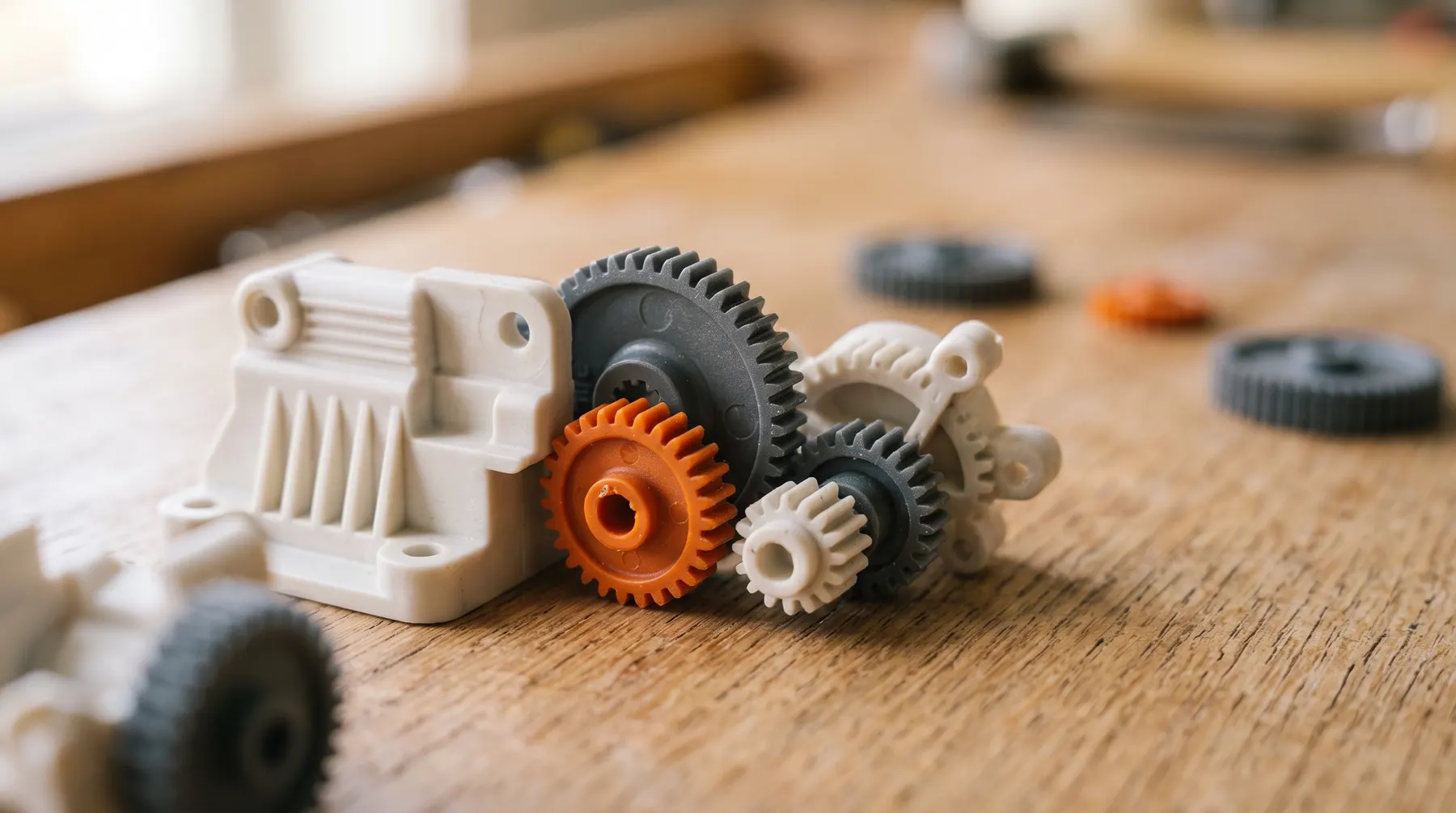

European regulatory compliance: RoHS, REACH, and food contact
Importing plastic parts into the European Union requires strict compliance with chemical safety directives. Under the EU RoHS Directive (2011/65/EU as amended by 2015/863), components used in electrical equipment must not exceed threshold concentrations of lead, mercury, cadmium, hexavalent chromium, and specified phthalates.
Under the European REACH Regulation (EC 1907/2006), manufacturers and importers must monitor Substances of Very High Concern (SVHC). If an article contains an SVHC above 0.1% weight by weight, immediate notification obligations apply under Article 33.
For plastic parts intended to contact food, Regulation (EC) 1935/2004 and specific plastic regulation (EU) 10/2011 require verified food contact declarations based on authorized positive substances lists and overall migration limit testing.
Recommended technical pages
Related manufacturing processes and guides
Explore engineering documentation, process limits, and material guidelines.
Design guidelines & DFM
Wall thickness, draft angles, ribs, shrinkage calculations, and ISO 20457 tolerances.

EU compliance checklist
REACH, RoHS, GPSR, Incoterms, and customs rules for importing plastic parts into Europe.
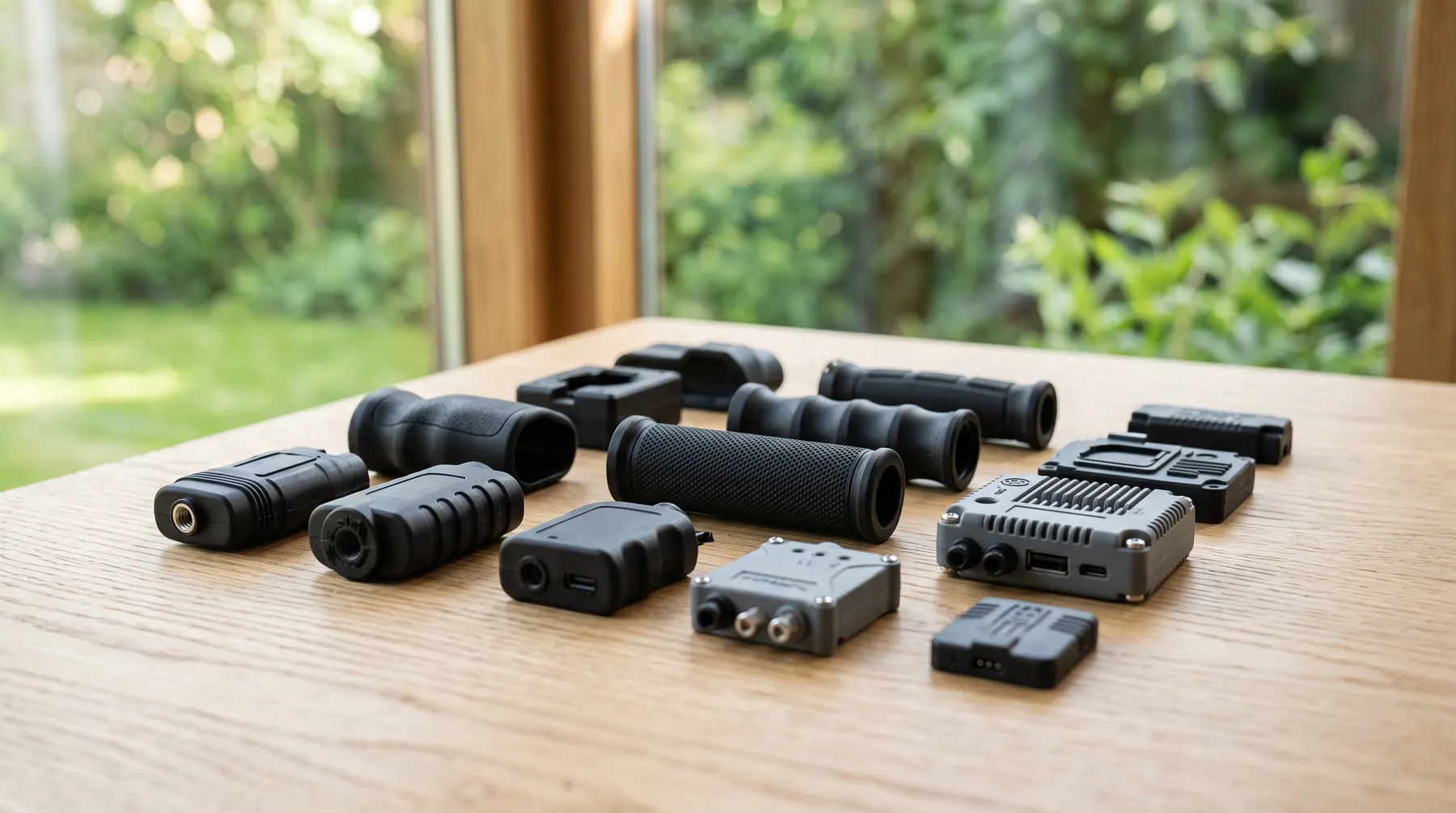
Overmolding supplier
Elastomer and rubber overmolding directly onto thermoplastic substrates.
Frequently asked questions
Direct technical answers on processes, tooling, standards and commercial terms.
Which thermoplastic resin is most suitable for long term outdoor ultraviolet exposure?
Resins with specialized UV stabilizers, such as UV-stabilized polycarbonate, acrylic (PMMA), or ASA (Acrylonitrile Styrene Acrylate), perform best in outdoor environments without embrittlement or color fading.
What mechanical changes occur when glass fiber reinforcement is added to a resin?
Glass fibers significantly increase tensile strength, stiffness, and heat deflection temperature while decreasing thermal shrinkage. However, they reduce elongation at break, lower impact toughness, and increase mold tooling wear.
Does the European RoHS directive apply to simple plastic molded parts?
If the plastic part is incorporated into electrical or electronic equipment placed on the European market, it must comply with RoHS substance limits. Importers should request verified RoHS declarations and laboratory test reports.
What is the significance of the UL 94 flammability standard?
UL 94 classifies a polymer flammability rating in response to a small open flame. UL 94 V-0 is the standard benchmark for electrical housings, requiring burning to extinguish within ten seconds without dripping flaming particles.
Can recycled or reground thermoplastics be utilized for food contact applications in the EU?
Only under strict European Union regulations governing authorized recycling processes (such as Regulation EU 2022/1616). For general food contact items, certified virgin food-contact resins accompanied by Declarations of Compliance are required.
Need assistance selecting the ideal polymer?
Send mechanical load, operating temperature, and regulatory requirements. Our polymer engineering team recommends optimized compounds and provides material datasheets.